

Choosing a Board Appeal Docket: Direct Review, Evidence Submission, or Hearing
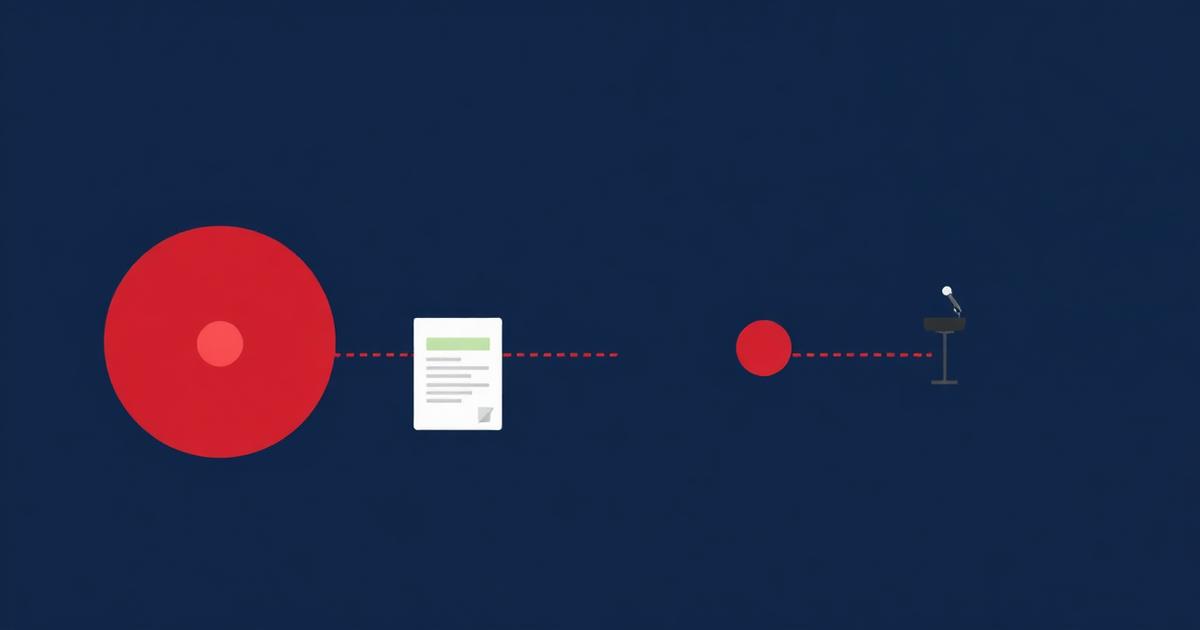
Three lanes, one form
When a case goes to the Board of Veterans' Appeals on VA Form 10182, the claimant selects one of three dockets. The docket is not a formality — it determines what evidence the Board may consider and whether a Veterans Law Judge hears from you directly.
Direct Review
The Board decides the appeal on the record that existed when the Agency of Original Jurisdiction issued its decision. No new evidence may be submitted, and there is no hearing. This is the fastest of the three dockets.
Direct Review fits when the argument is legal: the rater applied the wrong diagnostic code, ignored evidence already in the file, or failed to give reasons and bases for rejecting a favorable opinion.
Evidence Submission
New evidence may be submitted within 90 days of the Board receiving the appeal. There is no hearing. This docket fits when a specific piece of evidence — a private nexus opinion, updated treatment records, a buddy statement — is already identified and obtainable within that window.
Hearing
A hearing is scheduled before a Veterans Law Judge, held by videoconference, virtually, or in person. The record stays open for 90 days after the hearing for additional evidence. This is the slowest docket, because it depends on hearing scheduling capacity.
A hearing fits when testimony genuinely adds something the paper record cannot show — the credibility of an in-service event, the day-to-day effect of symptoms, or continuity of symptoms since service.
How to think about the choice
- Start from the evidence strategy, not the wait time. Picking the fastest docket and then discovering that the case needs a nexus opinion wastes the appeal.
- If the problem is what VA did with the existing record, Direct Review is usually the matching lane.
- If the problem is a gap in the record, Evidence Submission or Hearing keeps the record open.
- The docket cannot be freely swapped later, and moving between dockets generally means re-entering the queue.
What the Board can do
The Board may grant, deny, or remand. A remand is not a loss — it sends the issue back for specific development, such as a new examination or records VA failed to obtain. Board timeliness figures are published annually by the Board itself; no representative can predict how long an individual appeal will take or how it will be decided.
Related reading: Board docket Q&A, Board appeal representation, and what a remand means.