

Contaminated Water at Other Military Bases
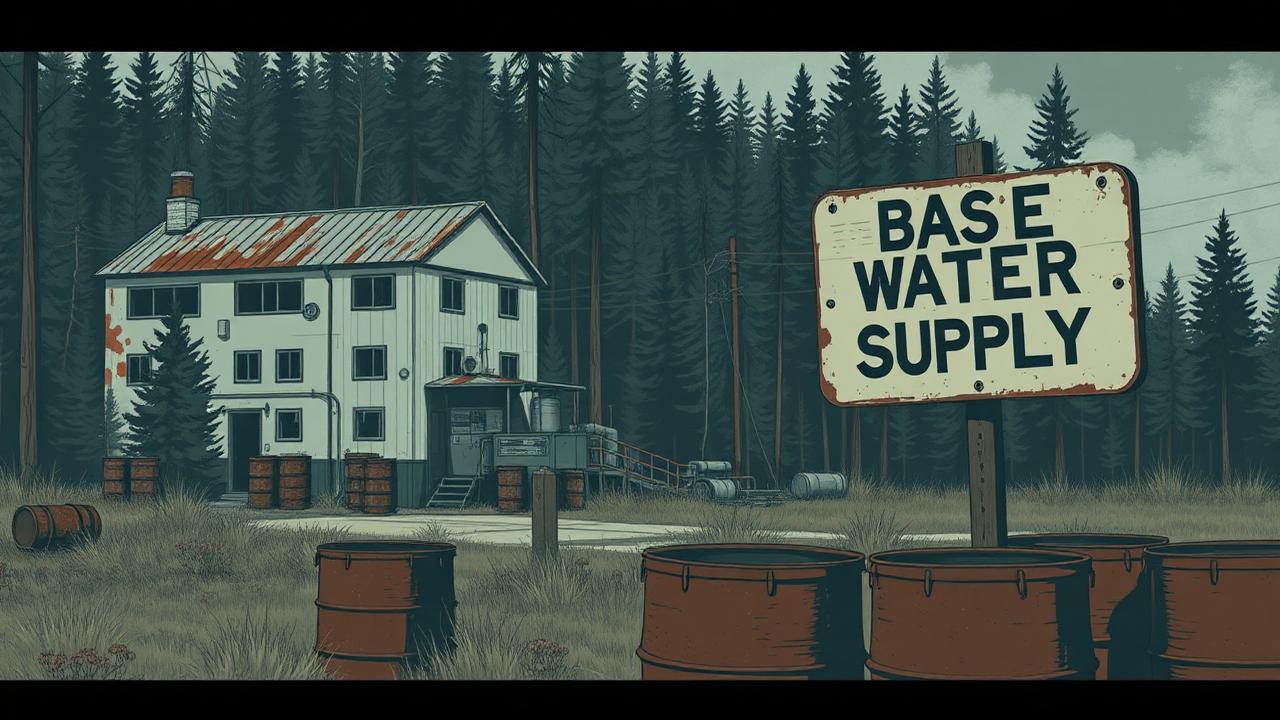
Fort McClellan, Alabama (1935–1999)
Fort McClellan was home to the U.S. Army Chemical Corps, the Women's Army Corps Center, and the Military Police School. The base sits adjacent to a Monsanto PCB manufacturing plant, and on-base testing exposed soldiers to chemical-warfare agents, radioactive compounds, and PCB-contaminated water and soil.
There is no formal VA presumption for Fort McClellan service, but the VA recognizes the documented exposure and adjudicates claims on a direct-service-connection basis. Conditions commonly claimed include thyroid disease, autoimmune disorders, breast cancer, leukemia, lymphoma, and various neurological conditions.
Fort Ord, California (1917–1994)
Fort Ord is on the EPA's National Priorities List for trichloroethylene (TCE) and other industrial-solvent contamination of the on-base drinking water supply, particularly the Main Garrison. Decades of solvent dumping in the area and at Site OU-1 contaminated the groundwater.
Common claims from Fort Ord veterans include leukemia, kidney cancer, liver cancer, non-Hodgkin's lymphoma, and Parkinson's disease — the same TCE-linked conditions that drive the presumption, though without the same statutory framework.
Karshi-Khanabad (K2), Uzbekistan (2001–2005)
Following 9/11, U.S. forces operated out of K2 Air Base in Uzbekistan as the staging point for early Operation Enduring Freedom missions. The base was contaminated with jet fuel, processed uranium from Soviet-era operations, depleted uranium, asbestos, and chemical-warfare residues.
The of 2022 added Uzbekistan to the list of covered post-9/11 locations for the burn-pit / airborne-hazard presumption. K2 veterans are also organizing for a separate, more specific presumption recognizing the unique chemical and radiological exposures at that base.
Other recognized contaminated-water sites
- Fort Detrick, Maryland — TCE contamination from biological-warfare research operations.
- George Air Force Base, California — TCE and PCE contamination, on the EPA NPL.
- Marine Corps Air Station El Toro, California — TCE and PCE.
- Naval Air Station Jacksonville, Florida — multiple solvents.
- Fort Wainwright, Alaska — fuel contamination of the on-base water supply.
- Reese Air Force Base, Texas — TCE contamination.
- Plus dozens of additional Superfund-listed military installations.
How non-presumptive base water claims are evaluated
- Document your assignment to the base during the contamination period using your DD-214, orders, and personnel file.
- Pull the EPA, ATSDR, or DoD environmental records for the specific base — these are public and establish that contamination occurred.
- Get a current diagnosis from a competent provider for a condition reasonably linked to the documented contaminants.
- Obtain a medical opinion linking your diagnosis to the documented in-service exposure.
- File as a direct-service-connection citing the specific environmental record and the medical .
Where these claims break down
- ×Assuming only Camp Lejeune is recognized — many other bases have well-documented contamination and successful claim histories.
- ×Filing without the supporting EPA or ATSDR environmental records for the specific base — the adjudicator should not have to find them.
- ×Skipping the medical nexus opinion. Without a presumption, the nexus is the heart of the claim.
- ×Overlooking the K2 PACT Act coverage — many K2 veterans still do not realize Uzbekistan is now a covered location for the airborne-hazard presumption.
Frequently Asked Questions
Useful Tools & Topics
Have questions about your specific case?
Tell us about your claim, rating increase, or VA decision for a free case evaluation — a decision letter is helpful but not required. If your matter fits our current scope, we'll invite you to schedule a consultation.
Disclaimer: This page is for educational purposes only and does not constitute legal advice. Oakridge Claims is a private business and is not affiliated with, endorsed by, or operated by the U.S. Department of Veterans Affairs. No guarantees of outcomes are made. Each claim is decided on its individual facts.
Related guides
K2 / Karshi-Khanabad (Uzbekistan)
Service at K2 air base from 2001–2005 — recognized PACT Act presumptive location and known contaminants.
Camp Lejeune: VA Claim vs. CLJA Lawsuit
The difference between VA disability compensation for Camp Lejeune contaminated water and a Camp Lejeune Justice Act tort claim, including the offset rule and parkinsonism issues.
Burn Pit Exposure
Open-air burn pit hazards under the PACT Act — covered locations, conditions, and evidence development.
Jet Fuel (JP-8 / JP-5 / JP-4) Exposure
Hydrocarbon exposure for aircraft fuel handlers, flight-line crew, and aircrew across all branches.