

Recognized Military Toxic Exposures
Plain-English guides to the exposures VA recognizes — what zones and dates qualify, which conditions are presumptive, and what evidence to gather.
Each exposure has its own statutory framework — the PACT Act, 38 CFR § 3.307–.309, the Camp Lejeune Justice Act, and others. Pick the closest match to your service to see covered locations, qualifying dates, the presumptive condition list, and the evidence that strengthens your claim.
★ Interactive Maps
See the recognized PACT Act exposure zones on the PACT Act presumptives map and the Vietnam-era herbicide map on the Agent Orange timeline.
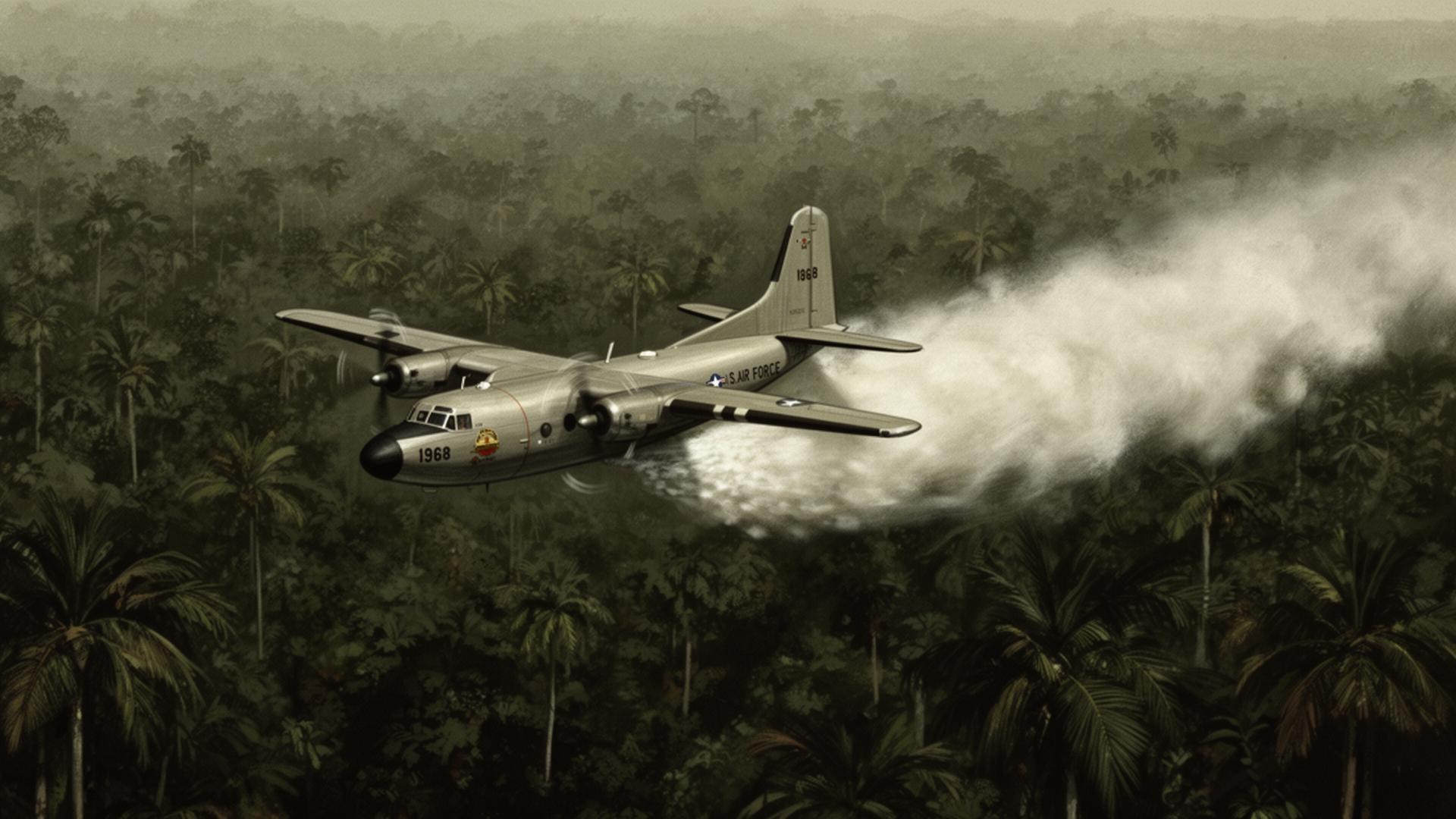
Vietnam era · 1962–1975 (+ later sites)
Agent Orange & Tactical Herbicides
Vietnam, Korean DMZ, Thailand, Guam, Johnston Atoll, and DoD test/storage sites under 38 CFR § 3.307.
Read guide
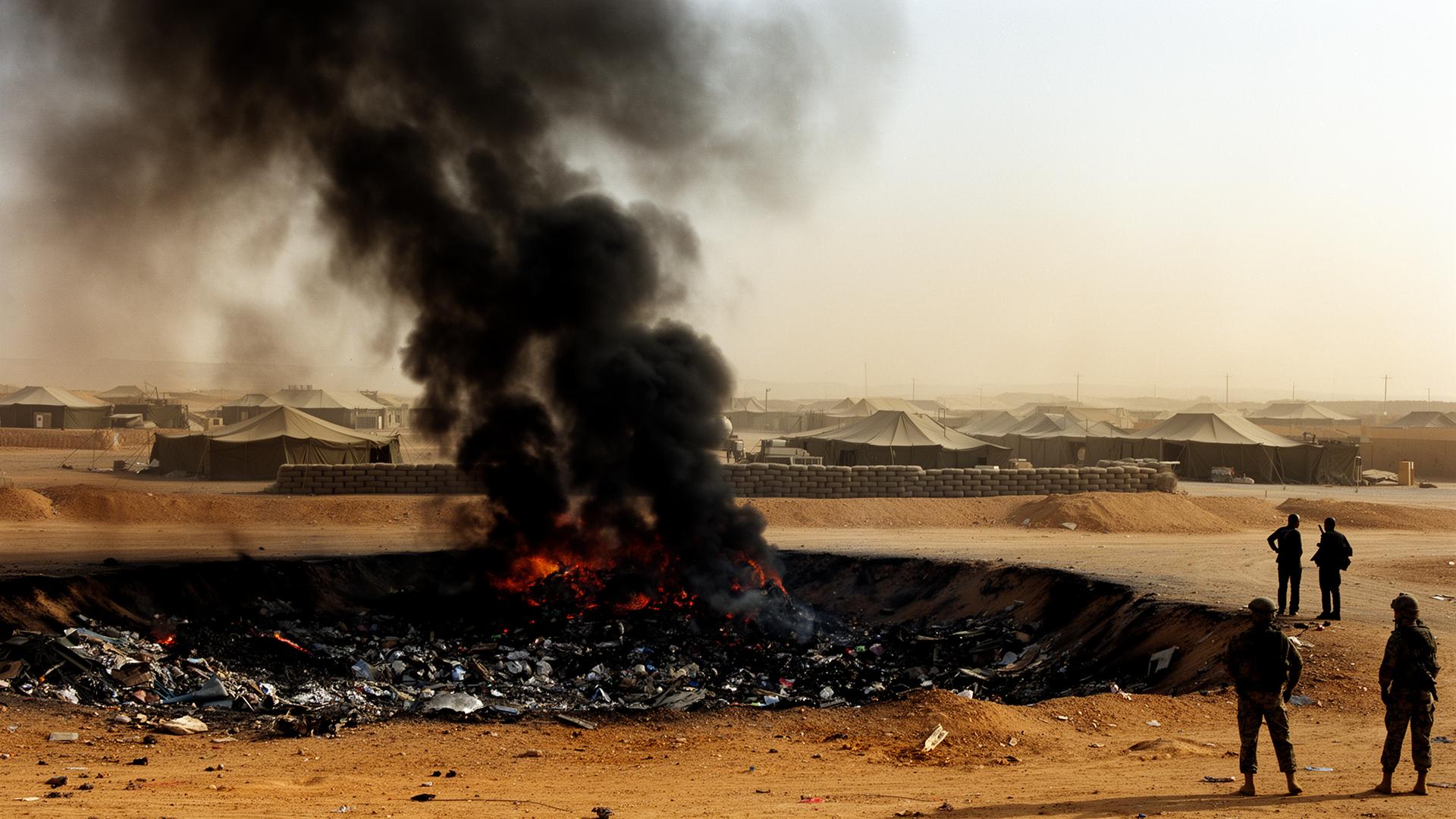
Post-9/11 · PACT Act
Burn Pit Exposure
Open-air burn pits across Southwest Asia and post-9/11 zones — covered conditions and registry steps.
Read guide
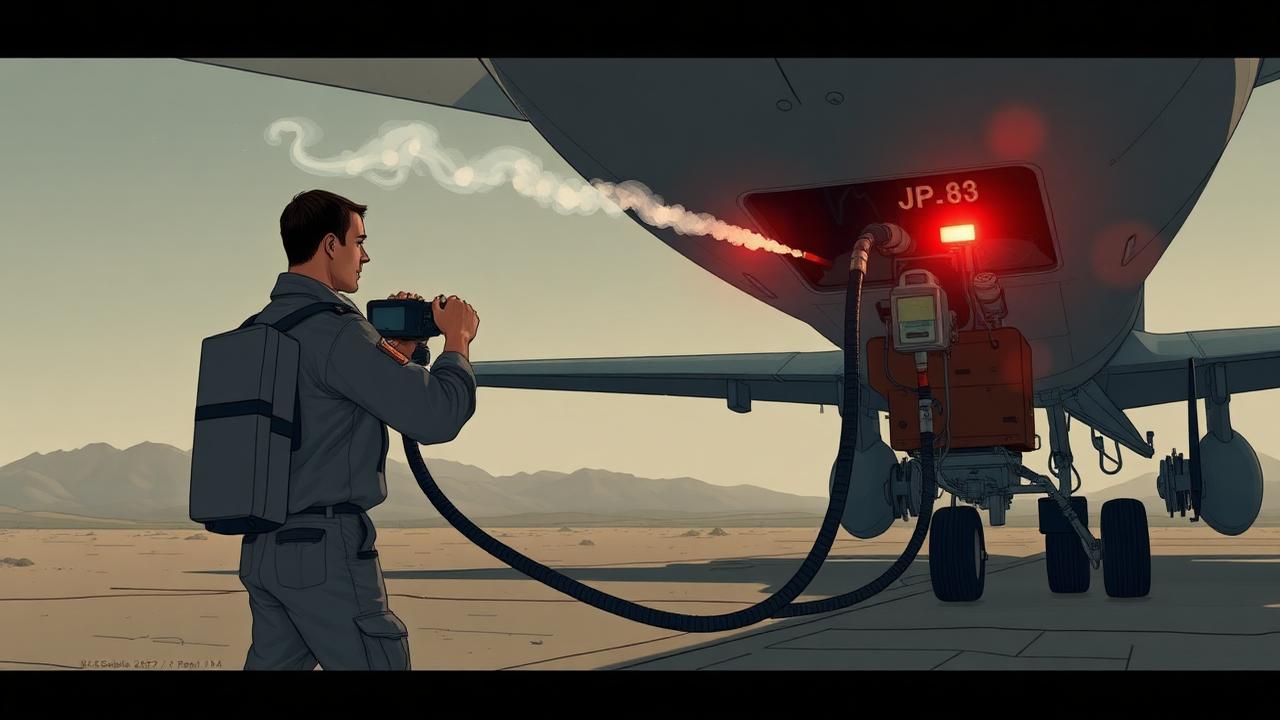
All eras
Jet Fuel (JP-8 / JP-5 / JP-4)
Hydrocarbon exposure for fuel handlers, flight-line crews, and aircrew across all branches.
Read guide
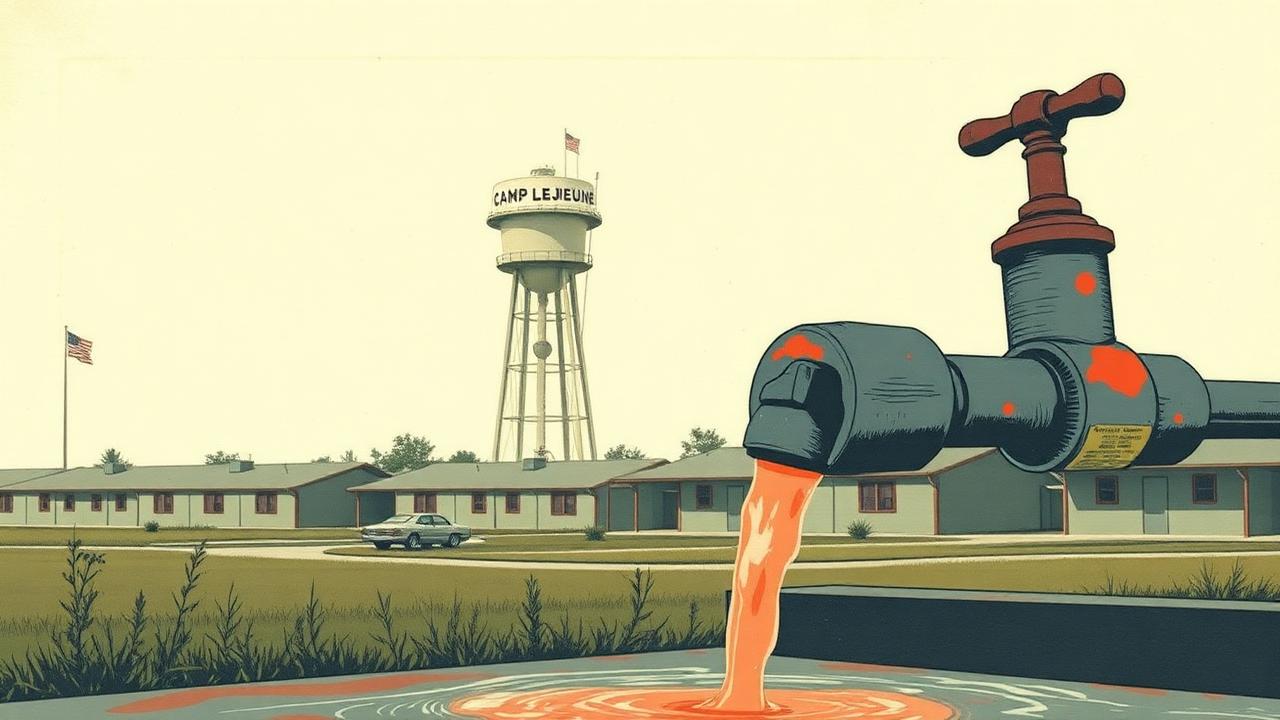
1953 – 1987
Camp Lejeune Water Contamination
TCE, PCE, benzene, and vinyl chloride contamination — VA presumptives and the Camp Lejeune Justice Act.
Read guide
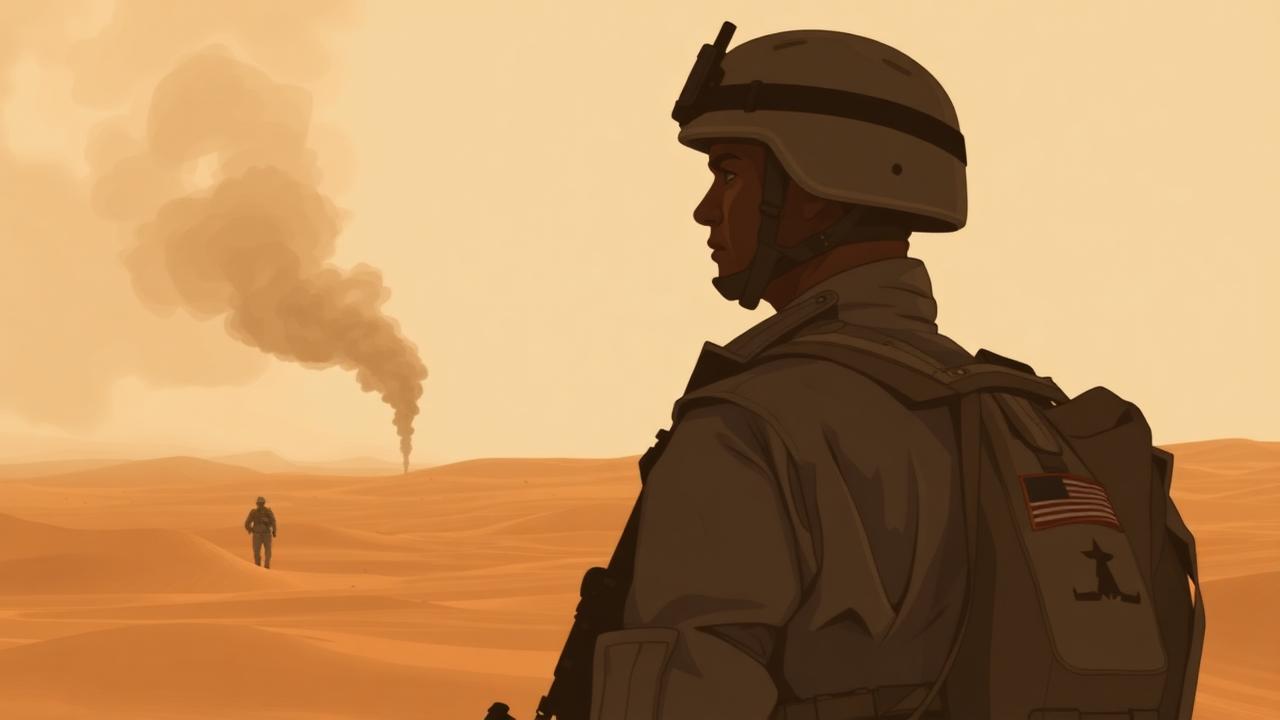
Aug 2, 1990 – present
Gulf War Illness & § 3.317 Presumptives
Undiagnosed illness, MUCMI (fibromyalgia, IBS, CFS), and infectious-disease presumptives under 38 CFR § 3.317 — Southwest Asia & Afghanistan service.
Read guide
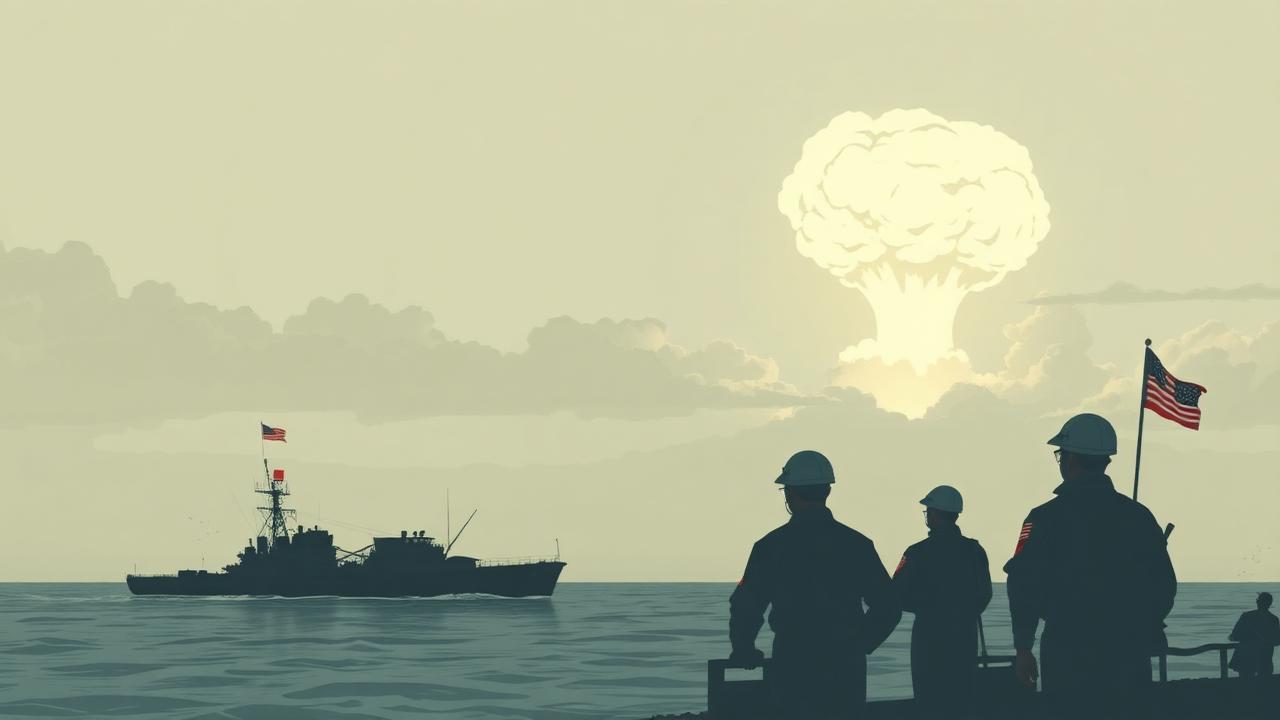
WWII – 1990s
Radiation Exposure (Atomic Veterans)
Atmospheric tests, occupation forces, and post-incident cleanup — presumptives under 38 CFR § 3.309(d).
Read guide

All eras (esp. pre-1980 Navy)
Asbestos Exposure
Mesothelioma, lung cancer, and asbestosis claims — shipboard, shipyard, and insulation work.
Read guide

All eras
Hazardous Noise & Acoustic Trauma
MOS noise tables for hearing loss and tinnitus — flight line, artillery, armor, infantry, and engine rooms.
Read guide
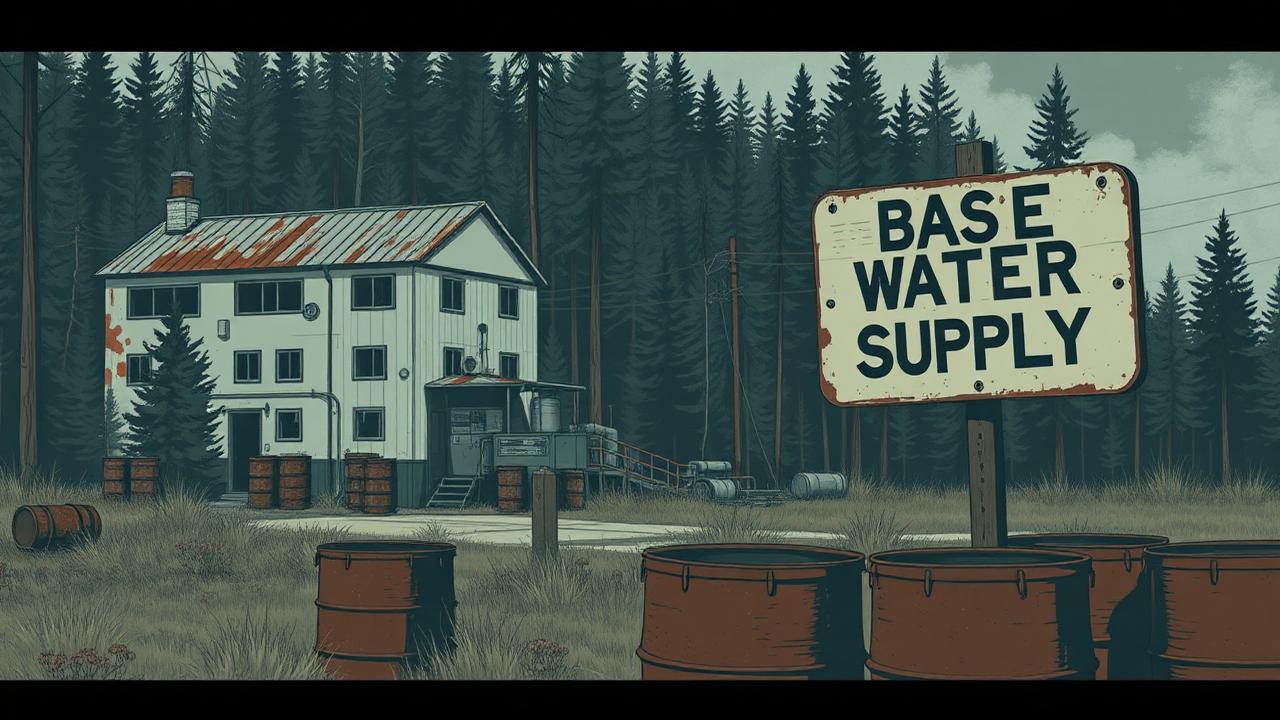
Various
Contaminated Water at Other Bases
Fort McClellan, Fort Ord, K2 Karshi-Khanabad, and other recognized base water contamination sites.
Read guide

Gulf War onward
Depleted Uranium Exposure
DU munitions, embedded fragments, and the VA Depleted Uranium Surveillance Program.
Read guide
Direct-Claim & Emerging Exposures
These exposures are recognized in VA practice or pending wider recognition but are not (or not fully) presumptive. Claims generally require a direct service-connection theory with an independent nexus opinion. Each guide explains the current evidence path.
Okinawa Herbicide Exposure
Direct claim — DoD denies storage
Read guidePanama Canal Zone Herbicide
Direct claim — 1960s–70s testing
Read guideBlue Water Navy (Vietnam)
12-NM presumption (BWN Act 2019)
Read guideK2 / Karshi-Khanabad
PACT Act presumptive location
Read guideHexavalent Chromium (Qarmat Ali)
Sodium dichromate, Iraq 2003
Read guidePFAS / AFFF Firefighting Foam
Direct claim — emerging science
Read guideOccupational Exposures
Range lead, solvents, mold
Read guideBurn-Pit Cancer Cluster (Hub)
All PACT Act presumptive cancers
Read guideMore VA-Recognized Exposures
Additional exposures listed on VA Public Health's A–Z index. Most travel under direct service connection with a nexus opinion; some feed into existing PACT Act or Gulf War presumptions.
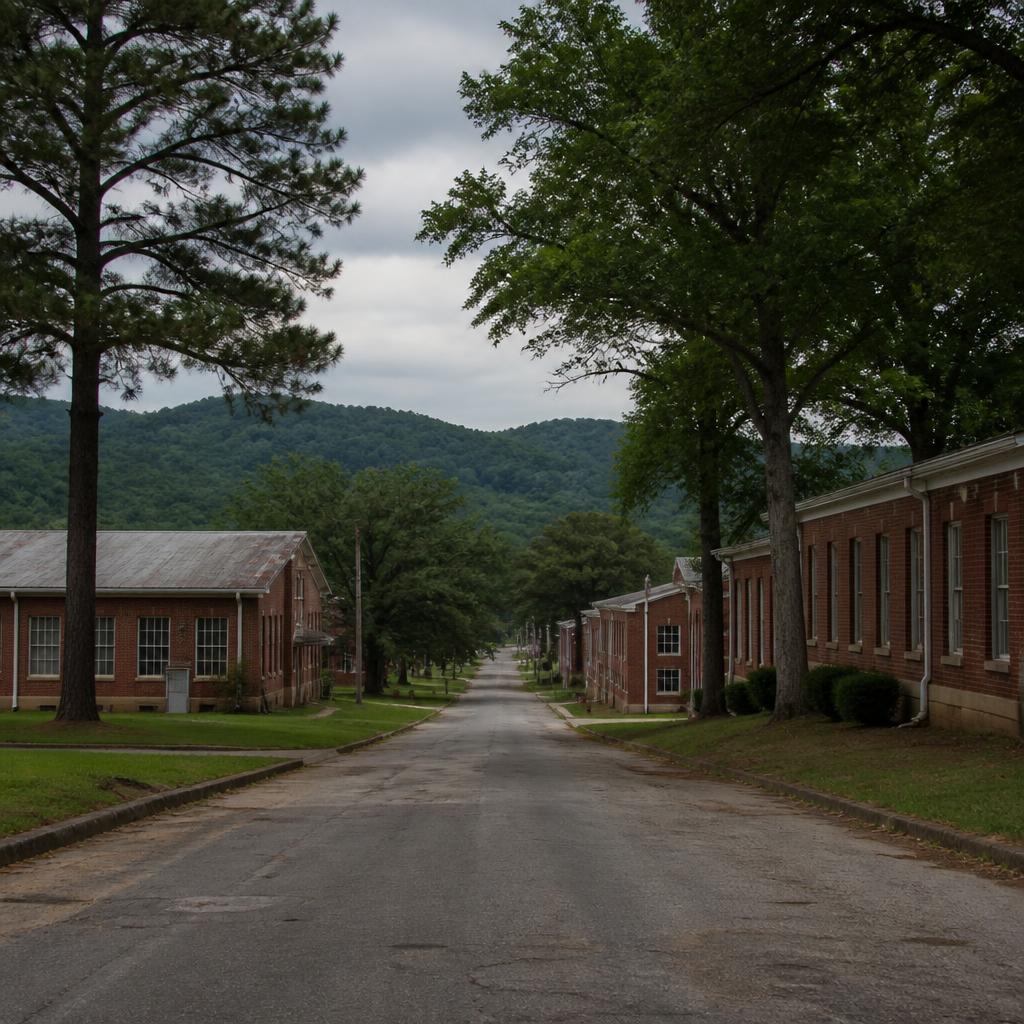
1935 – 1999 (Chemical Corps School & WAC Center)
Fort McClellan, Alabama
Fort McClellan housed the U.S. Army Chemical Corps School, the Women's Army Corps Center, and Anniston Army Depot operations. Soldiers, trainees, and base workers ha…
Read guide
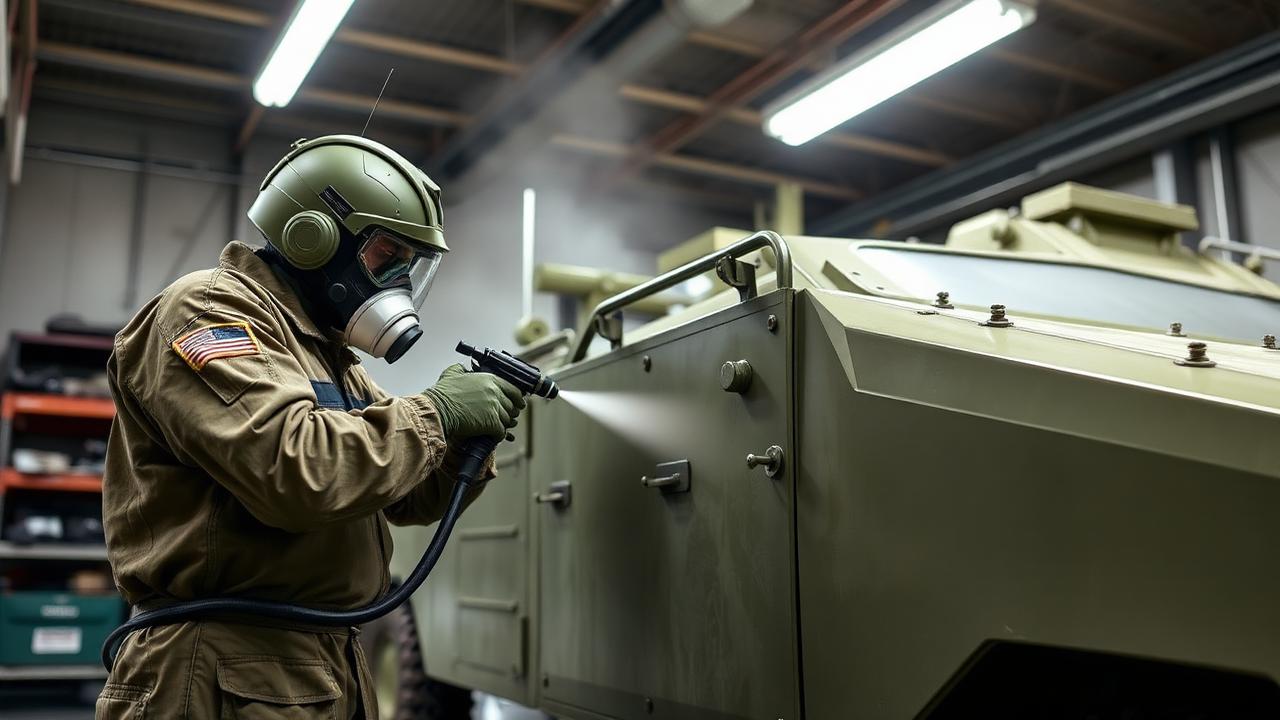
1985 – present (vehicle and equipment painting)
CARC paint exposure
Chemical Agent Resistant Coating (CARC) is the standard military paint applied to tanks, vehicles, aircraft, and equipment. CARC contains isocyanates (HDI), polyuret…
Read guide

1989 – present (anti-malarial prophylaxis)
Mefloquine / Lariam
Mefloquine (brand name Lariam) is an anti-malarial prophylaxis widely prescribed to deployed U.S. service members in Africa, Southeast Asia, Somalia, Haiti, Iraq, an…
Read guide
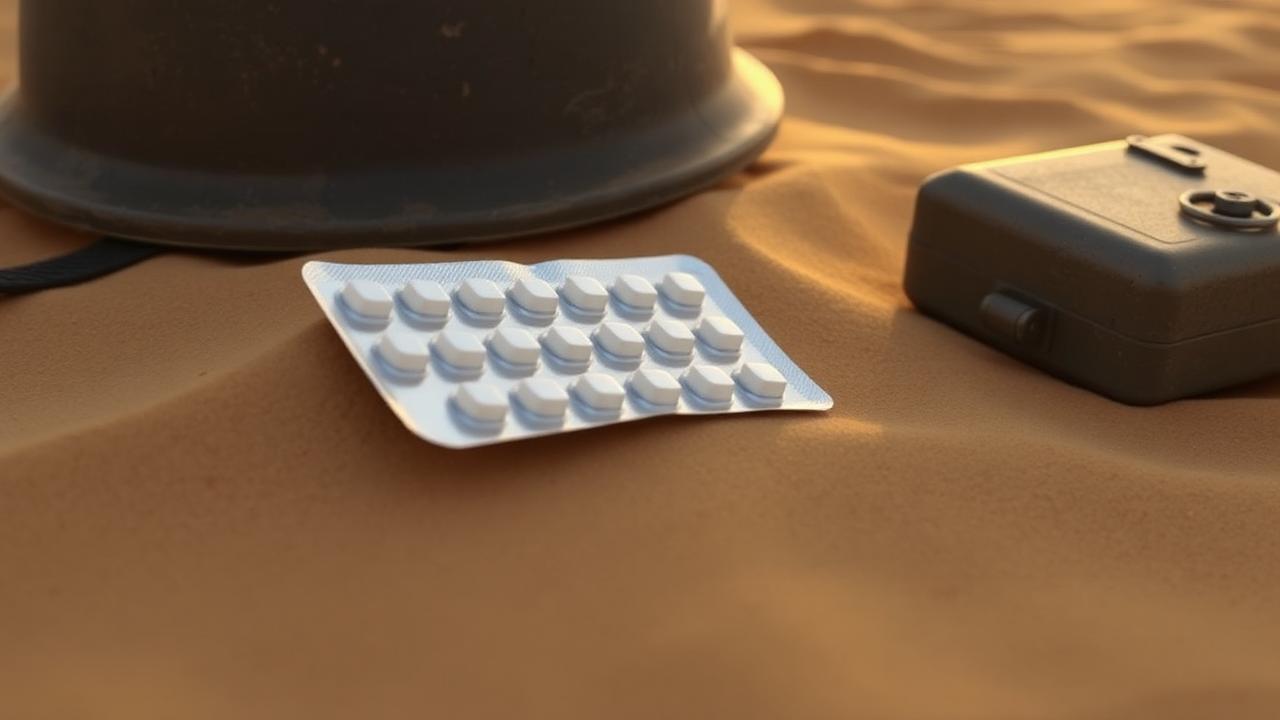
1990 – 1991 (Operations Desert Shield and Desert Storm)
Pyridostigmine bromide (PB pills)
Pyridostigmine bromide (PB) is an investigational nerve-agent pretreatment fielded during the 1990 – 1991 Gulf War. Roughly 250,000 U.S. service members took PB on a…
Read guide
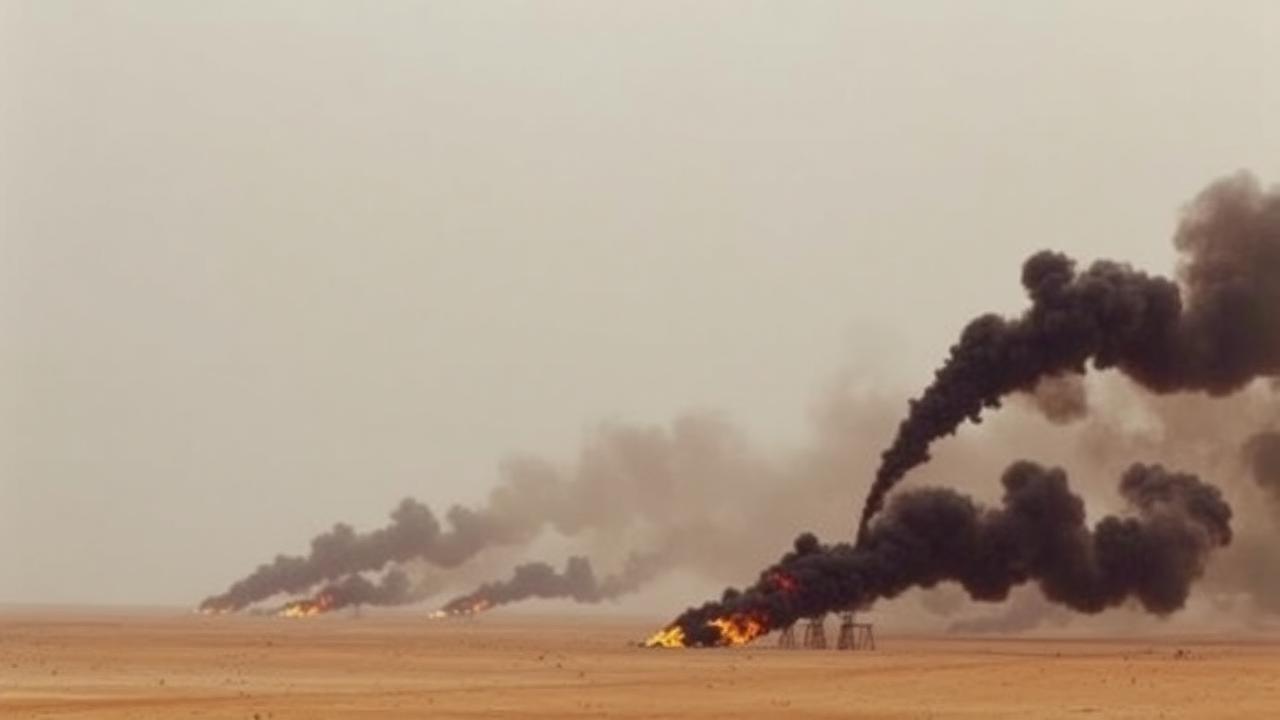
February – November 1991
Kuwait oil-well fires
Iraqi forces set fire to roughly 600 Kuwaiti oil wells during their February 1991 retreat. The fires burned until November 1991 and produced unprecedented airborne s…
Read guide
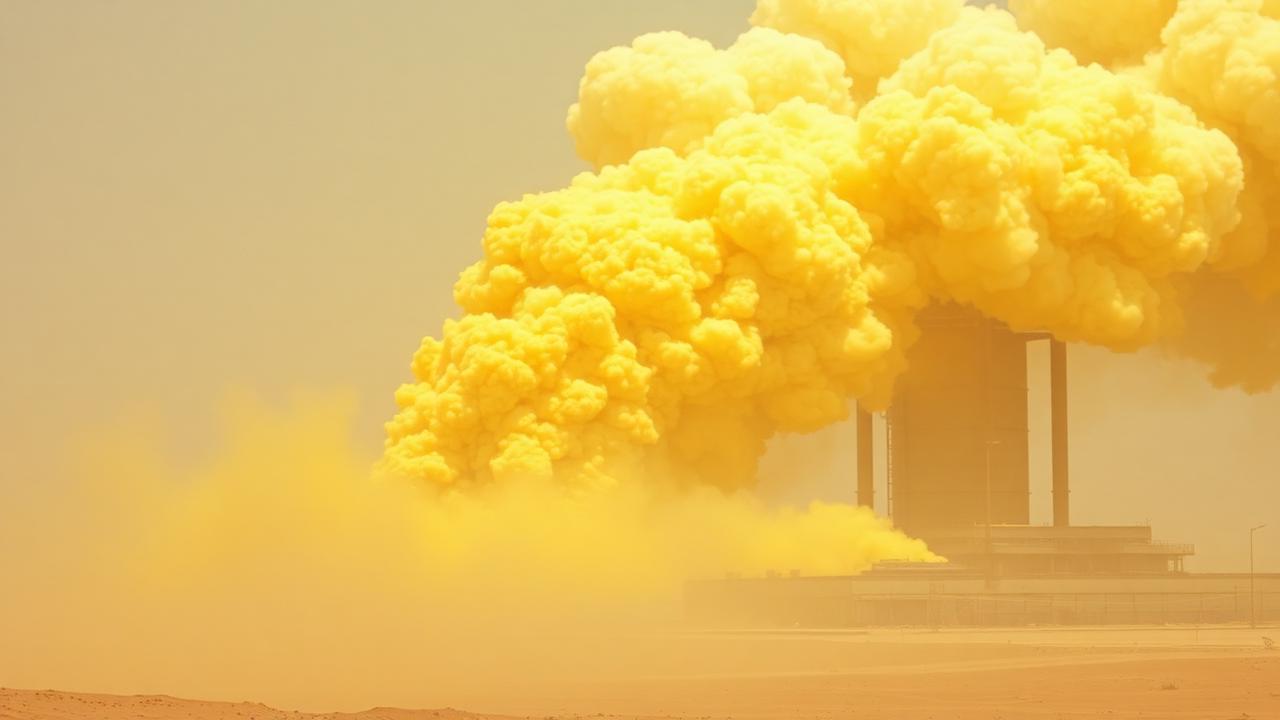
June 2003
Mishraq sulfur fire
In June 2003, the Mishraq State Sulfur Mine near Mosul, Iraq burned for nearly a month — the largest manmade release of sulfur dioxide on record. U.S. service member…
Read guide
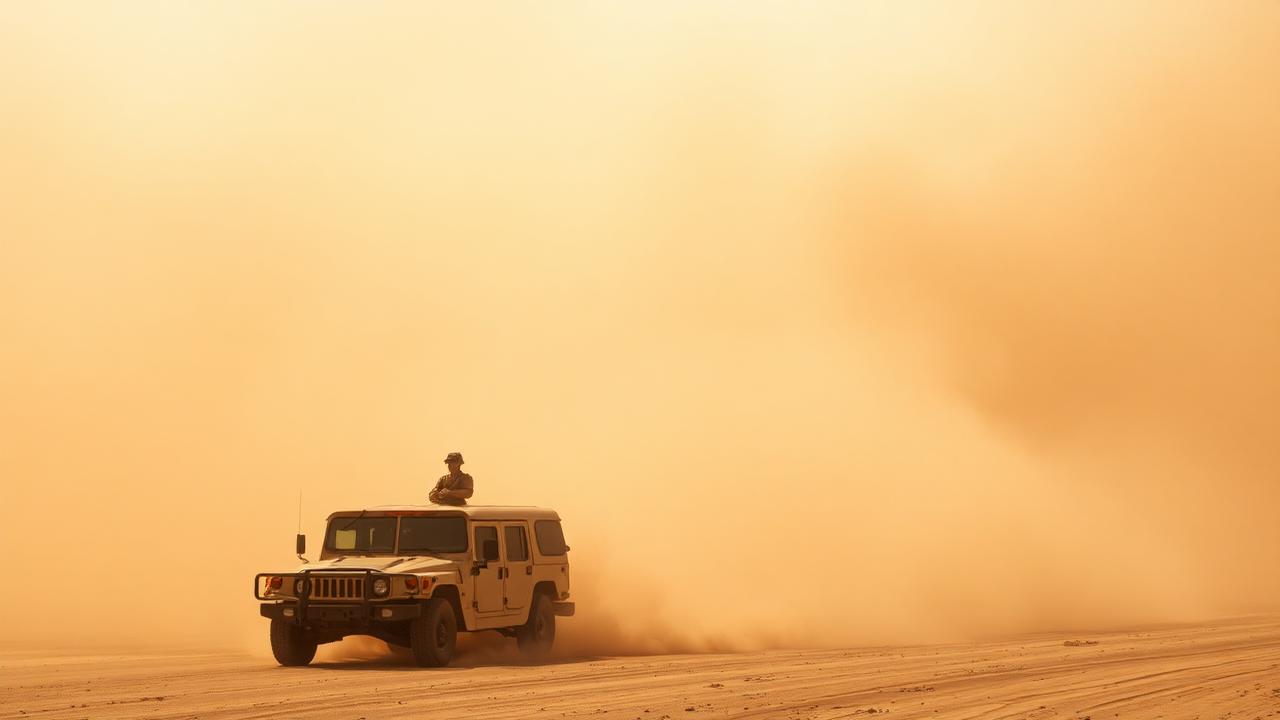
All deployments to arid and dust-prone theaters
Sand, dust & particulate matter
Fine particulate matter (PM2.5 and PM10) from desert dust, vehicle traffic, and burn pits dominates ambient air in Southwest Asia and Afghanistan. DoD industrial hyg…
Read guide
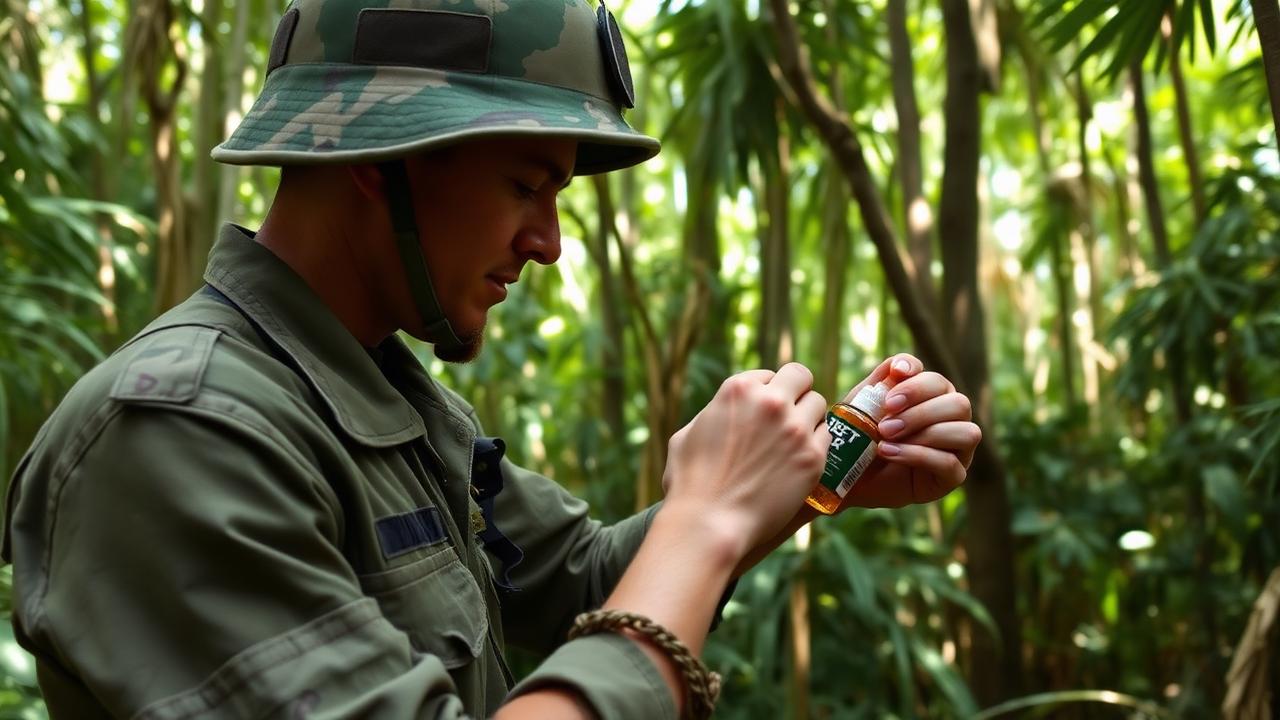
All eras (especially Vietnam and Gulf War)
Military pesticides
Service members are routinely exposed to DEET skin repellents, permethrin-treated uniforms, and organophosphate area sprays in malaria, sandfly, and tick zones. Duri…
Read guide
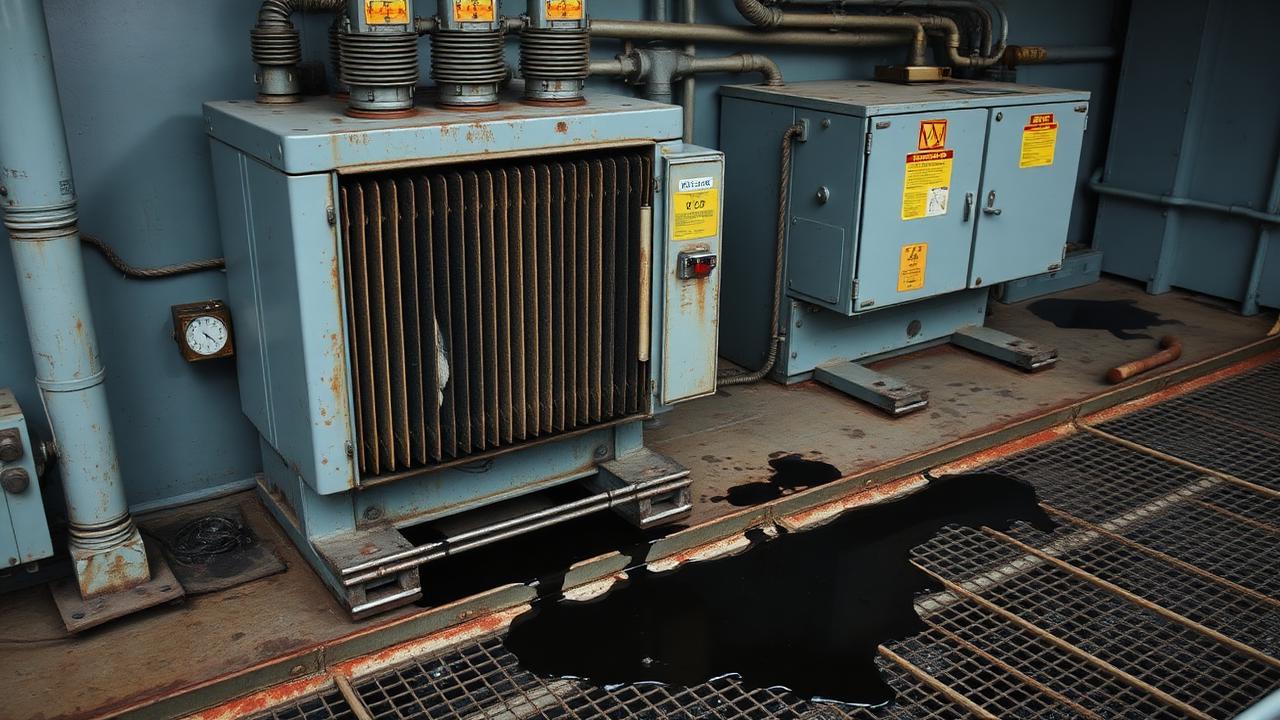
Pre-1980 (especially Navy and shore-based electrical systems)
PCB exposure
Polychlorinated biphenyls were widely used in military electrical transformers, capacitors, hydraulic systems, and shipboard cable insulation until U.S. manufacture …
Read guide
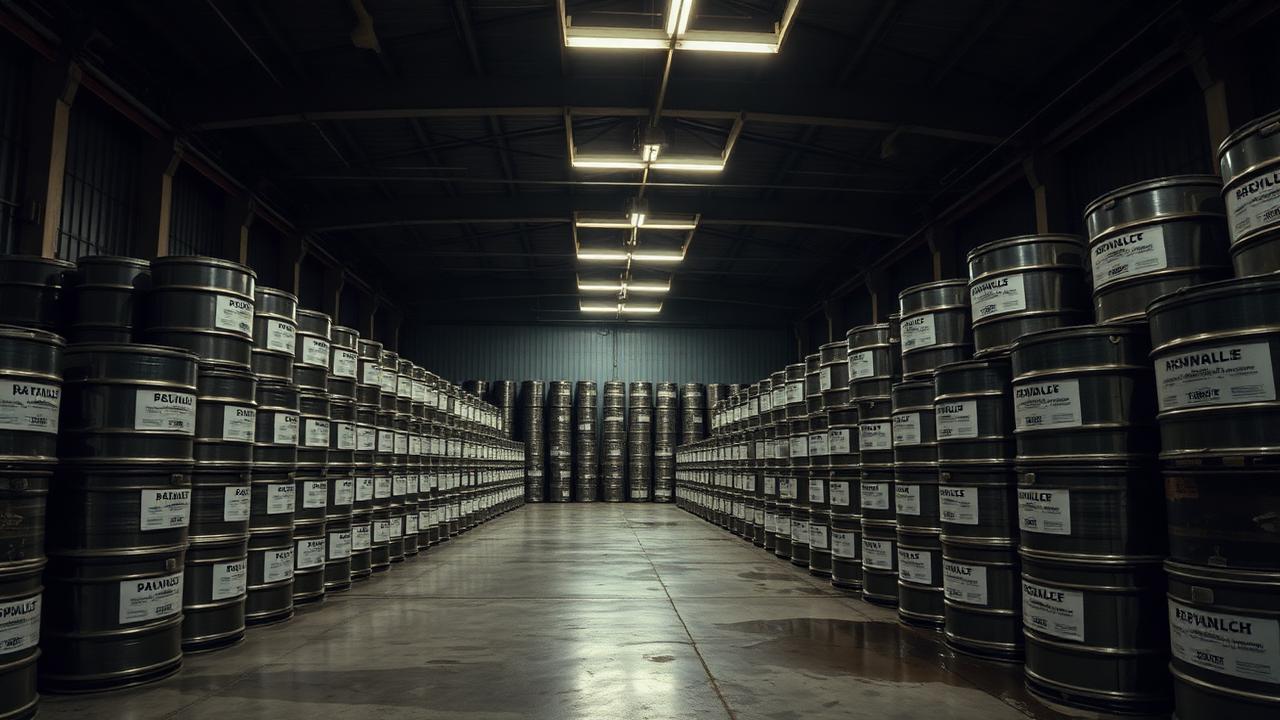
All eras (especially aviation maintenance, motor pools, paint shops)
Industrial solvents
Military maintenance operations rely on industrial solvents — trichloroethylene (TCE), tetrachloroethylene (PCE), benzene, toluene, xylene, MEK, and others — for deg…
Read guide
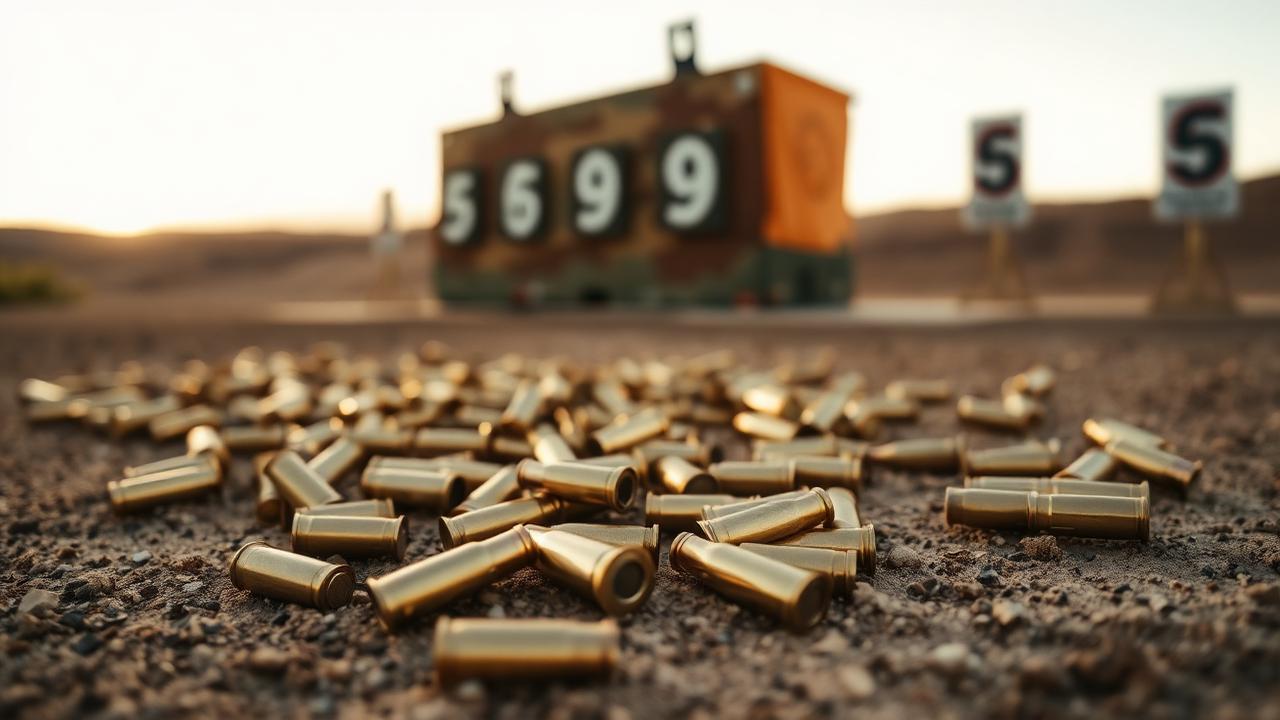
All eras
Lead exposure
Military lead exposure happens at indoor and outdoor firing ranges (airborne lead from primer dust and bullet fragmentation), in old lead-based paint on installation…
Read guide
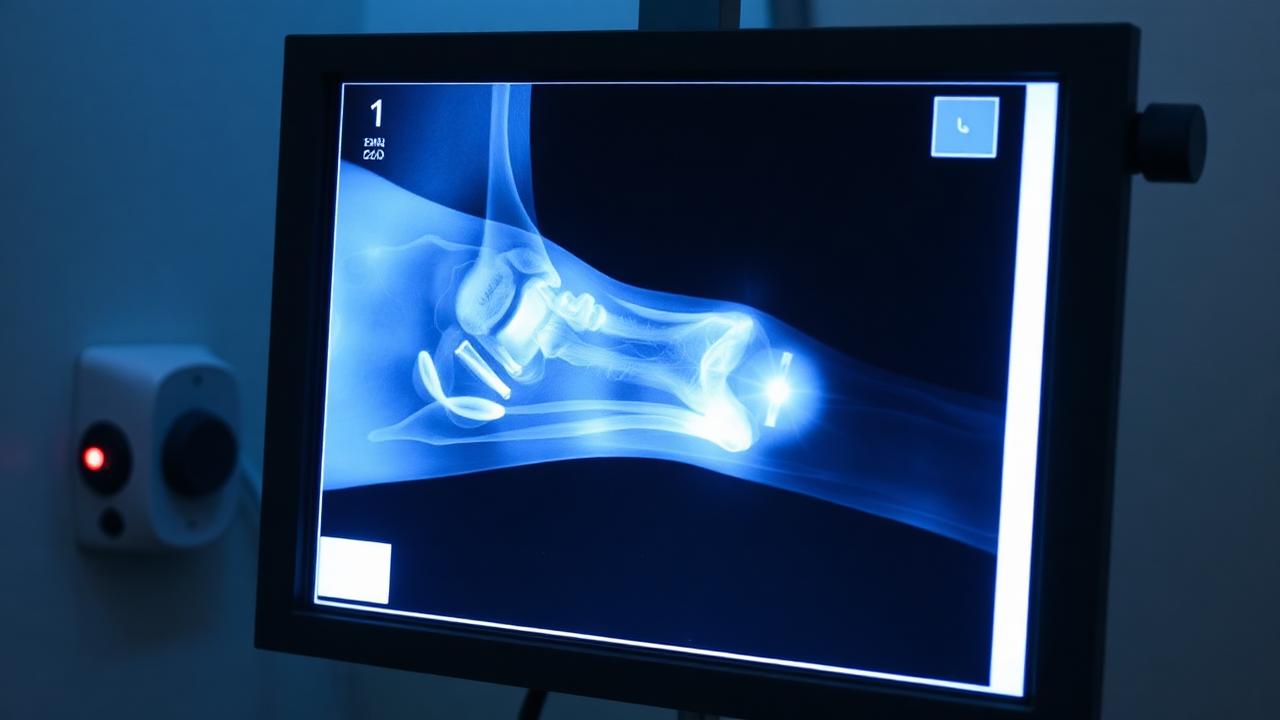
Combat injuries — Gulf War onward (with earlier-era applicability)
Toxic embedded fragments
Service members injured by IEDs, mortar, RPG, or small-arms fire frequently retain metal fragments — including depleted uranium, lead, tungsten, and other toxic meta…
Read guide
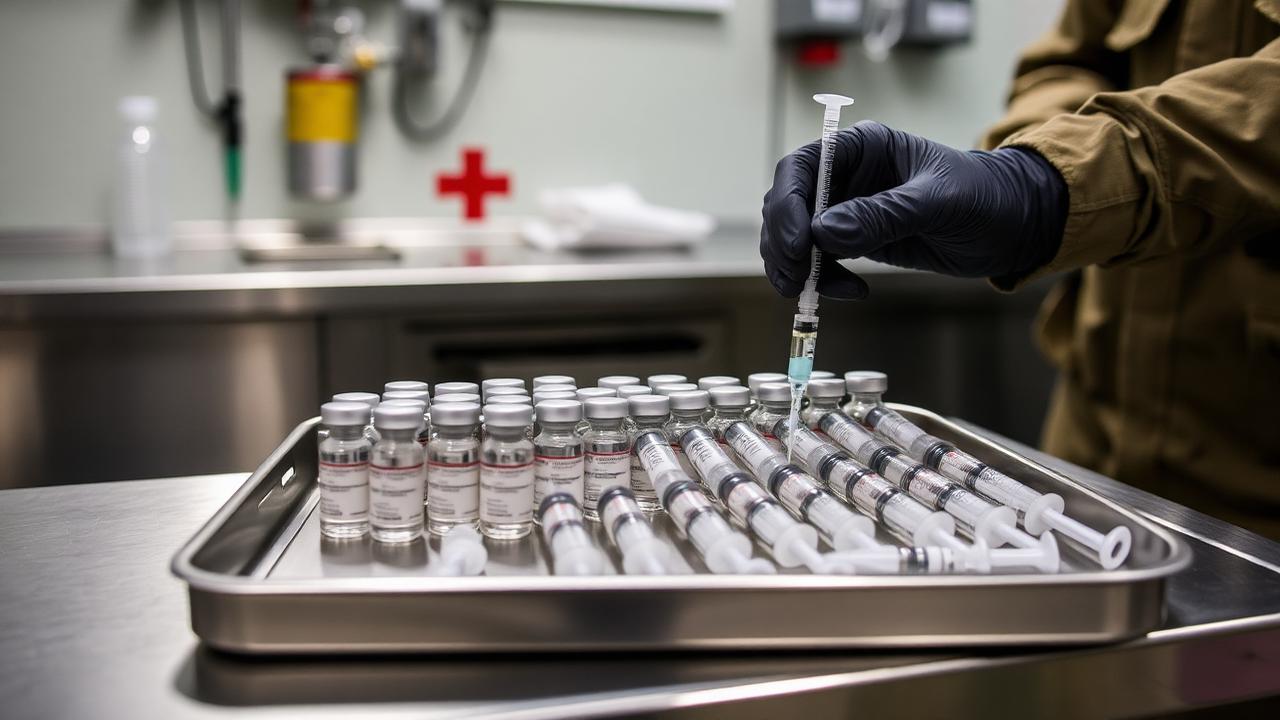
1998 – present (Anthrax Vaccine Immunization Program) and others
Military vaccination injuries
DoD vaccination programs — most notably the Anthrax Vaccine Immunization Program (AVIP, 1998 – present) and the smallpox vaccine program reinstated in 2002 — produce…
Read guide
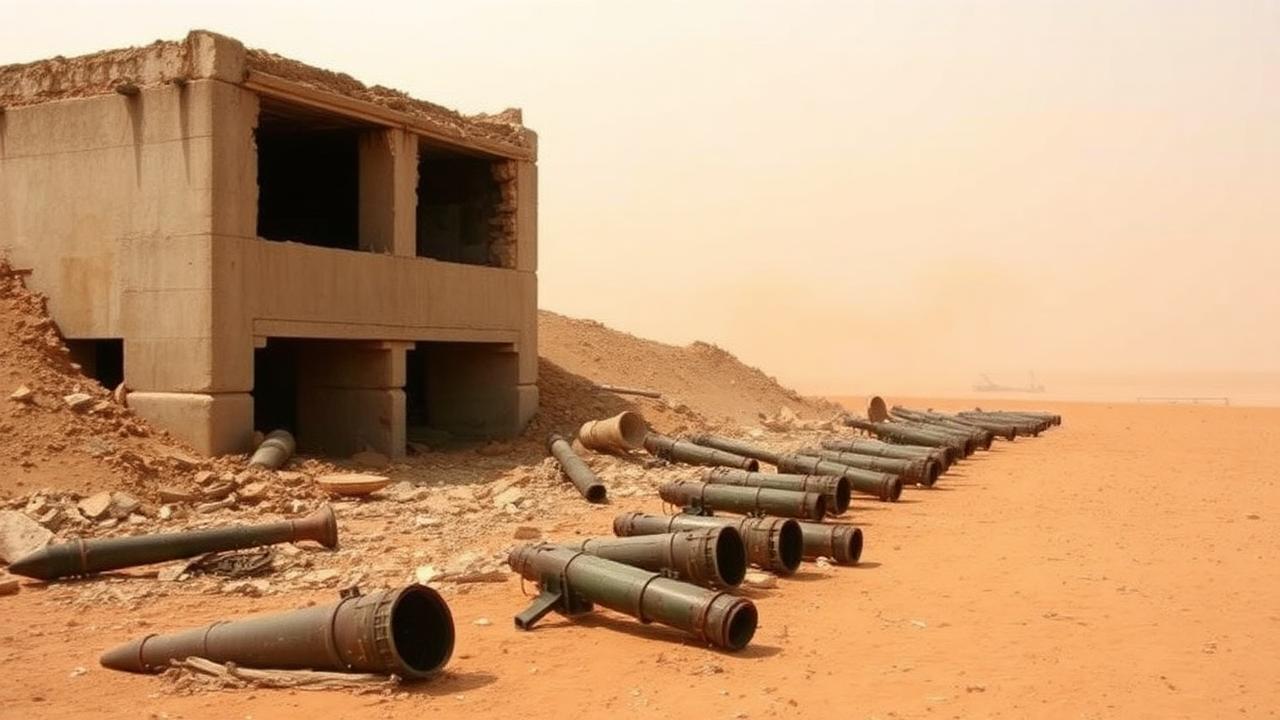
Khamisiyah: March 1991 · Edgewood/CHASE: 1955 – 1975
Khamisiyah & chemical warfare agents
Three distinct warfare-agent exposure events have VA recognition. Khamisiyah (March 1991): U.S. forces demolished an Iraqi ammunition depot that contained sarin and …
Read guide
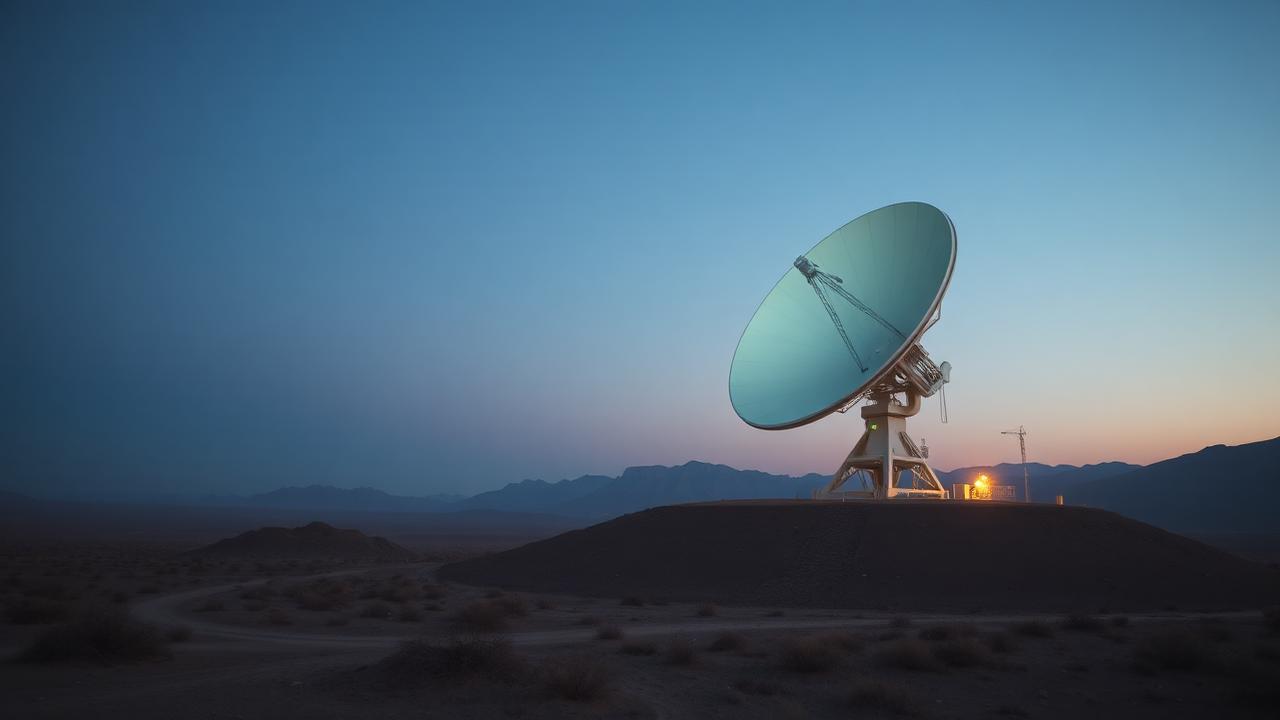
All eras (recent attention: anomalous health incidents 2016 – present)
Directed energy / RFR
Radiofrequency radiation (RFR) exposure from military radar, communications, and electronic warfare systems is a long-standing occupational concern. More recently, a…
Read guide

All eras (notably Korea, Aleutians, Bastogne, and any cold-weather operation)
Cold injury
Frostbite, immersion (trench) foot, and other cold-weather injuries leave residual peripheral neuropathy, cold sensitivity, skin discoloration, arthritis in affected…
Read guide
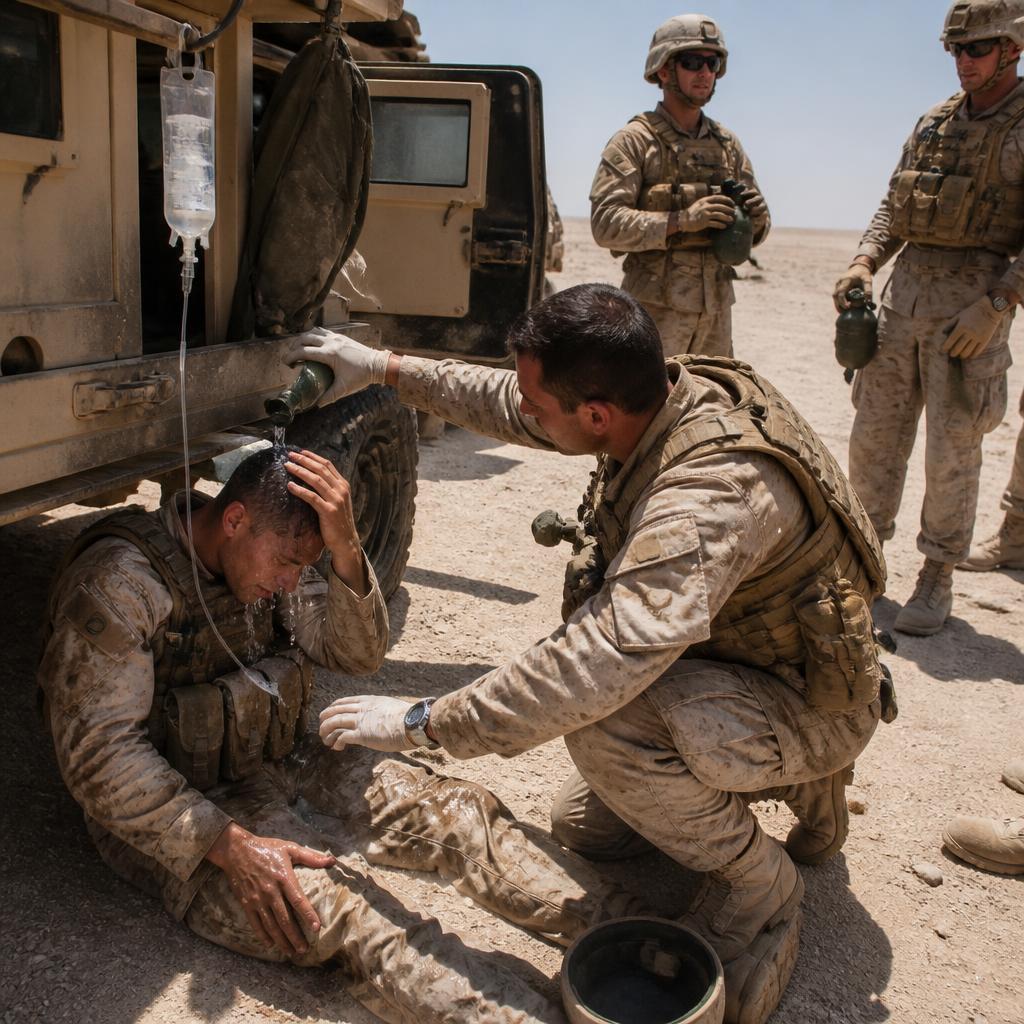
All eras (notably Iraq, Afghanistan, Persian Gulf, training environments)
Heat injury
Heat stroke and severe heat exhaustion can leave lasting residuals — heat intolerance, autonomic dysregulation, exertional rhabdomyolysis recurrence, cognitive sympt…
Read guide
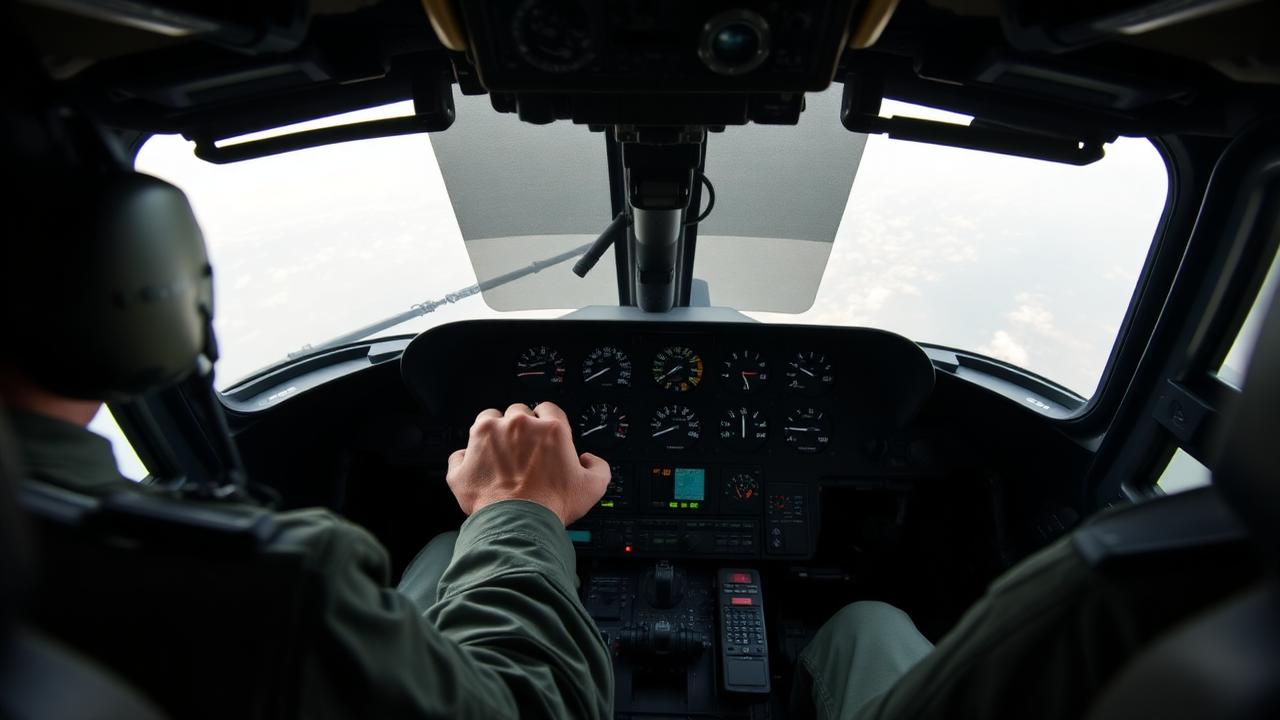
All eras (rotary-wing aviation, armor, combat engineers)
Vibration exposure
Sustained whole-body vibration (helicopter aircrews, armor crews, fast watercraft) and hand-arm vibration (chainsaws, jackhammers, impact tools) cause cumulative inj…
Read guide
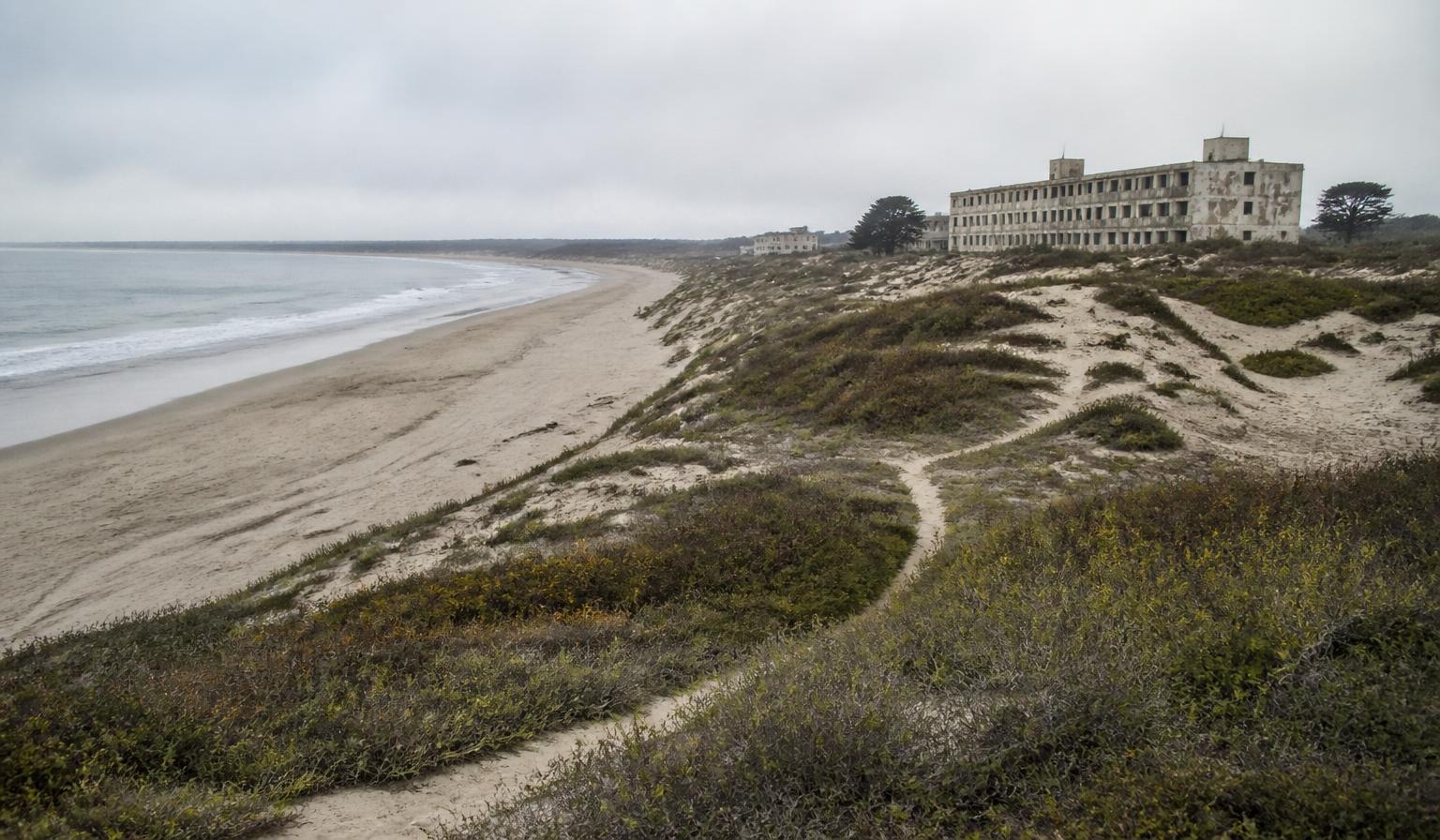
1917 – 1994 (closed under BRAC; EPA Superfund site since 1990)
Fort Ord, California
Fort Ord on California's Monterey Bay was a major Army training installation that operated for most of the 20th century. EPA designated the base a Superfund site in …
Read guide
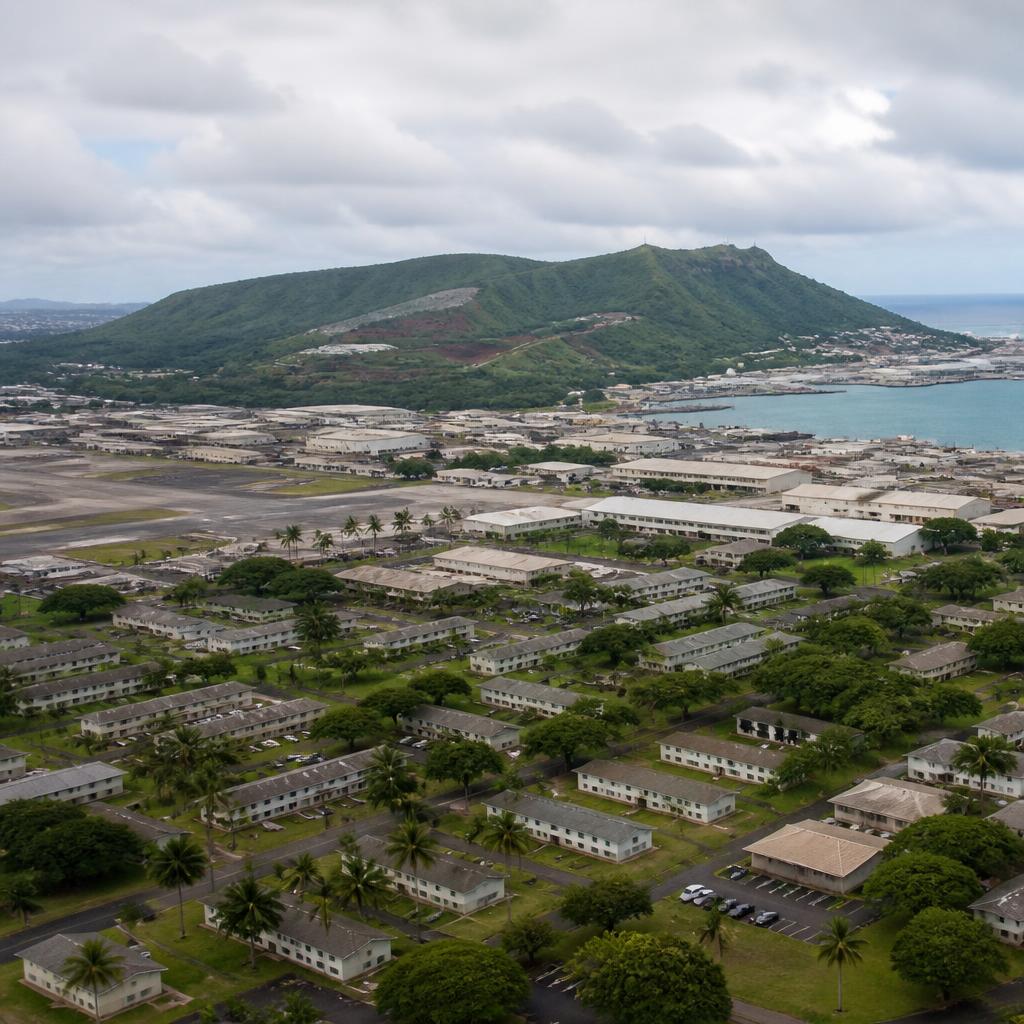
Releases documented 2014 and November 2021
Red Hill fuel spill, Hawaii
The Red Hill Bulk Fuel Storage Facility above Pearl Harbor leaked jet fuel into the Navy drinking-water system serving Joint Base Pearl Harbor-Hickam (JBPHH) and sur…
Read guide
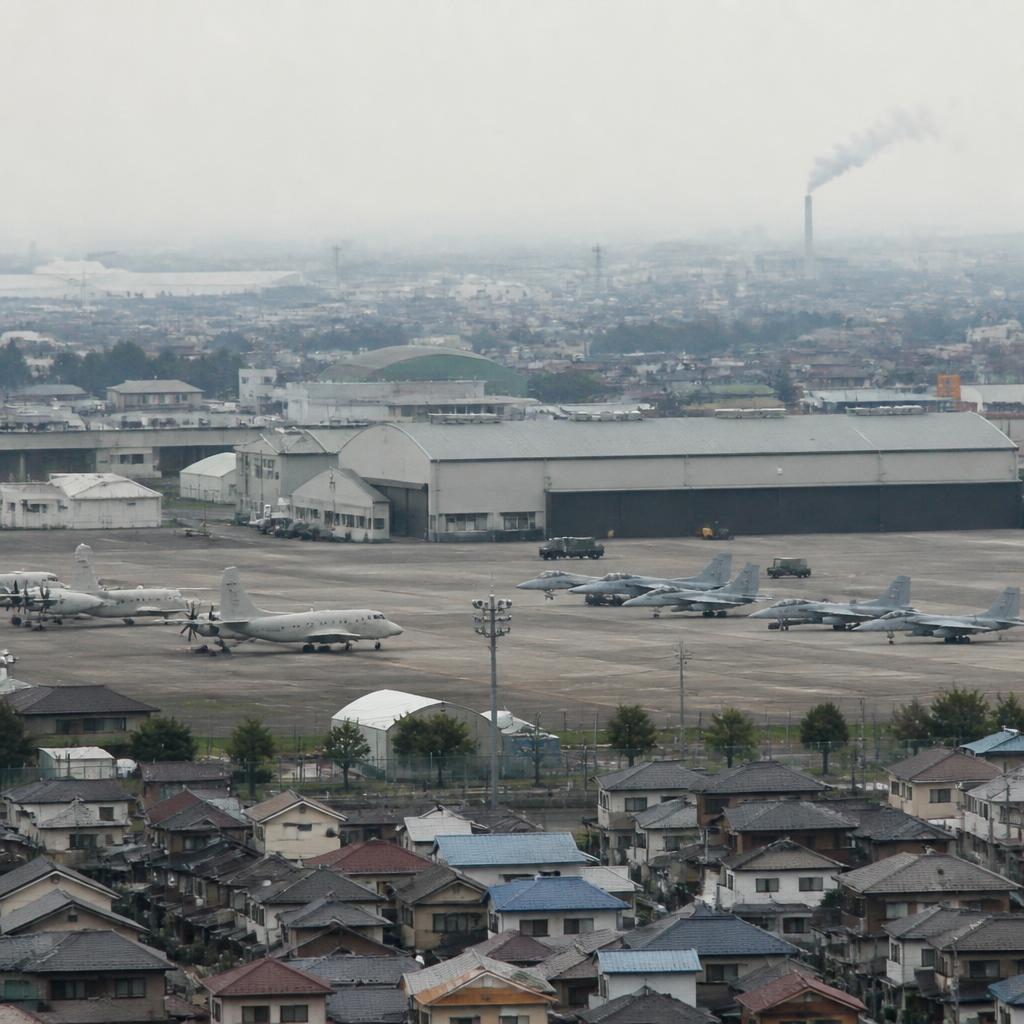
Approx. 1985 – 2001 (Shinkampo incinerator operations adjacent to NAF Atsugi)
NAF Atsugi incinerator, Japan
The Shinkampo Industrial Waste Incineration Complex operated immediately upwind of Naval Air Facility (NAF) Atsugi housing in Japan and burned mixed industrial and m…
Read guide

January 17, 1966 – mid-1967 (cleanup operations)
Palomares, Spain
On January 17, 1966 a U.S. B-52 carrying four thermonuclear weapons collided with a KC-135 tanker over Palomares, Spain. Two of the four weapons released plutonium a…
Read guide
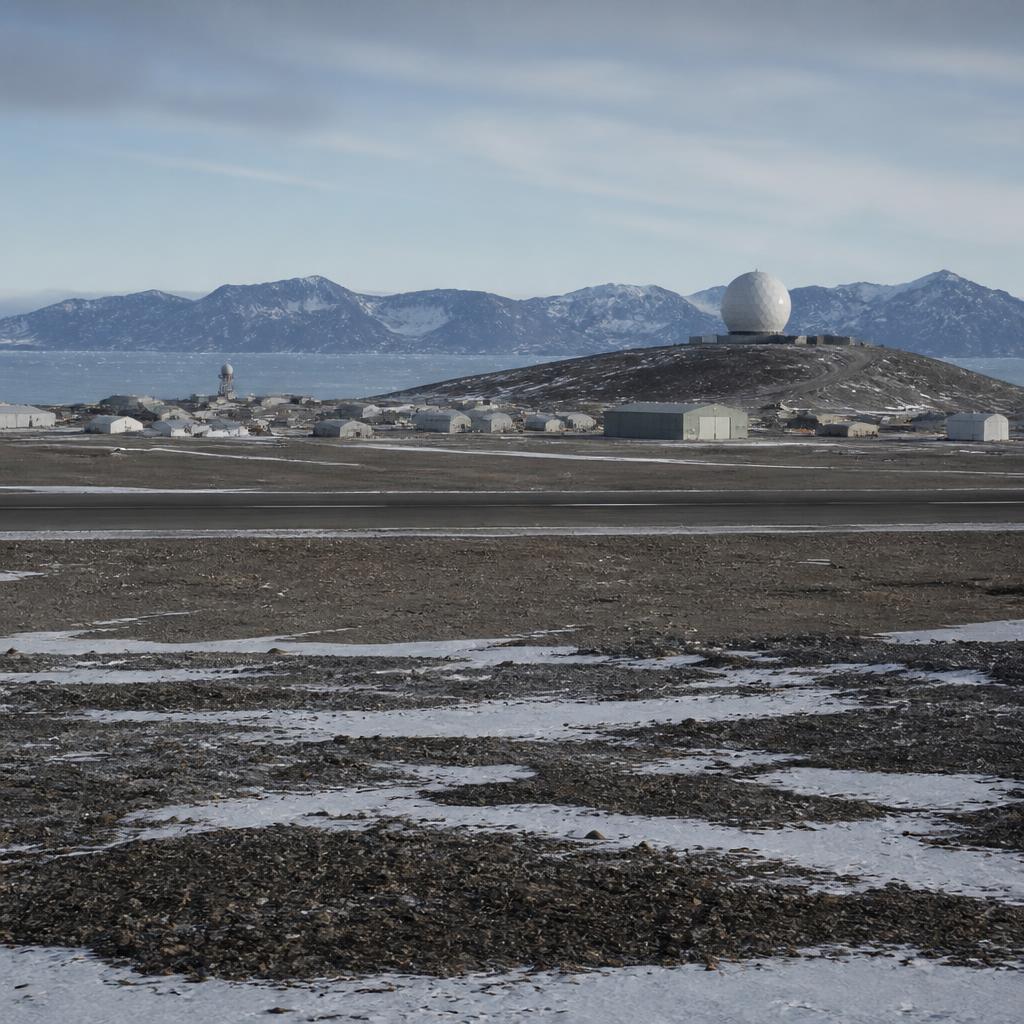
January 21, 1968 – September 1968 (Project Crested Ice cleanup)
Thule, Greenland
On January 21, 1968 a U.S. B-52 carrying four thermonuclear weapons crashed onto the sea ice near Thule Air Base in northwest Greenland. The conventional explosives …
Read guide
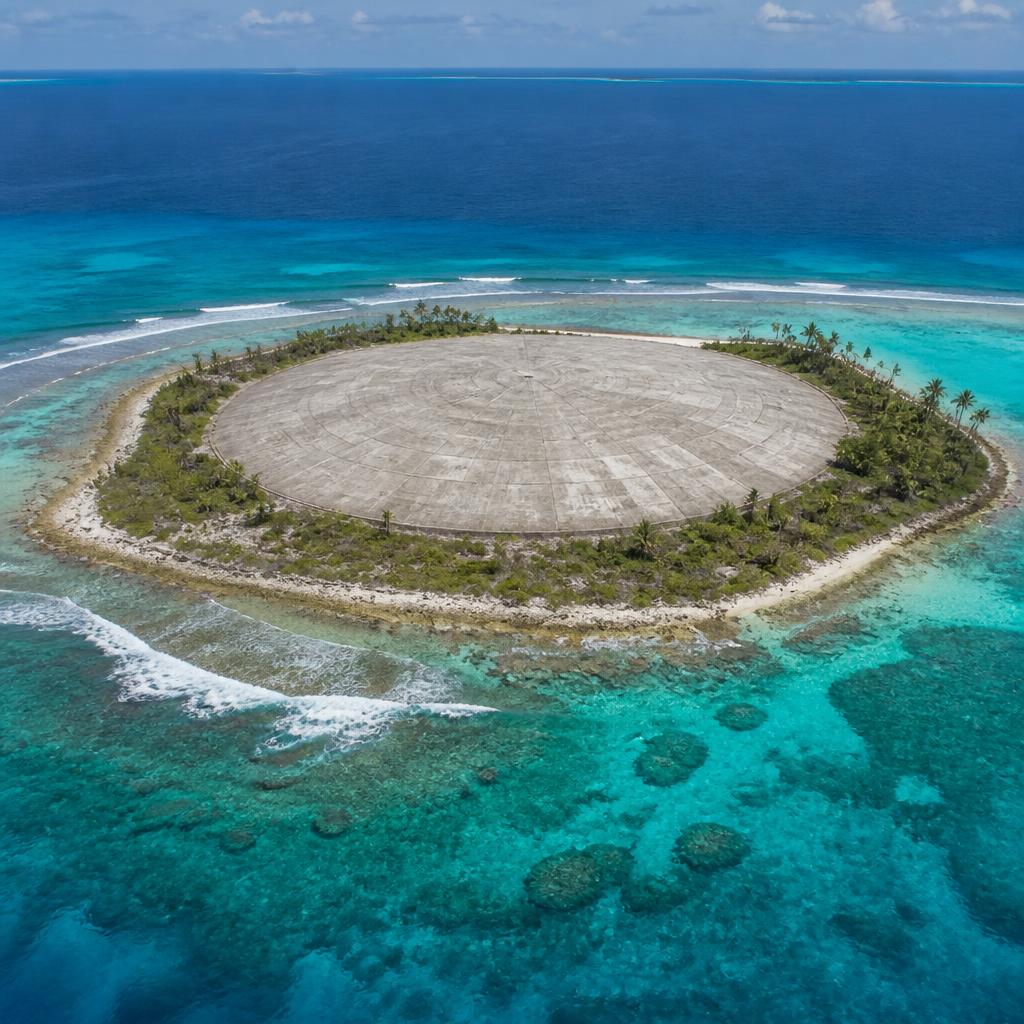
1977 – 1980 (post-test radiological cleanup)
Enewetak Atoll cleanup
From 1977 to 1980 roughly 4,000 U.S. servicemembers — primarily Army, Navy, and Air Force support personnel — cleaned up the residual contamination from 43 atmospher…
Read guide
Not sure which exposure applies?
Many veterans qualify under more than one framework. A free 30-minute consultation will identify which presumptions fit your service history.
Educational content only — not legal or medical advice. Recognized exposures, qualifying service dates, and presumptive condition lists change as Congress and VA update them. Confirm your specific situation with VA.gov or a VA-accredited representative. Oakridge Claims is a private business and is not affiliated with, endorsed by, or operated by the U.S. Department of Veterans Affairs.