

Industrial Solvent Exposure (TCE, PCE, Benzene, Toluene)
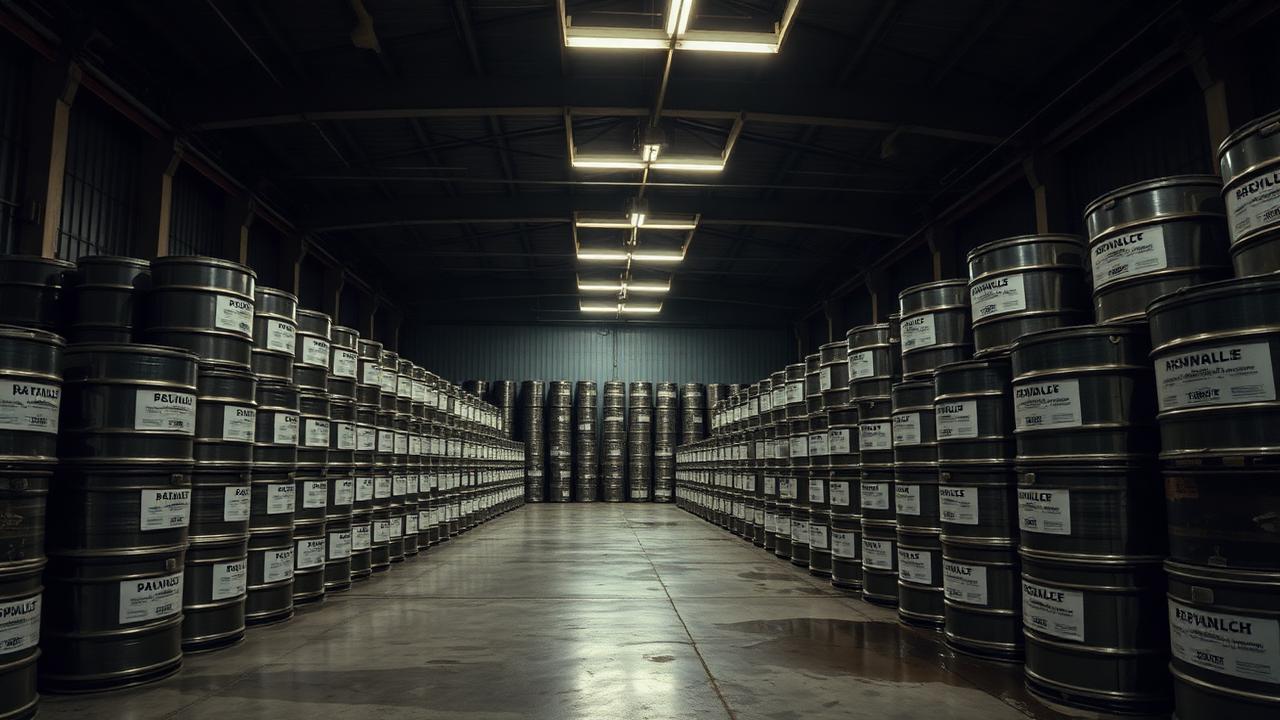
What Industrial solvents is
- TCE and PCE — chlorinated degreasers used in aviation, vehicle, and electronics maintenance.
- Benzene — present in fuels, paint thinners, and rubber cement.
- Toluene, xylene, MEK — paint shop and adhesive solvents.
- 1,1,1-trichloroethane — degreaser used heavily before EPA phase-out.
Who was exposed
- Aircraft maintainers, especially avionics, hydraulics, and structural repair.
- Motor pool mechanics, especially parts cleaners and engine rebuild.
- Body shop, paint shop, and corrosion-control personnel.
- Fuel-handlers and POL specialists.
- veterans — TCE, PCE, benzene, and vinyl chloride in base drinking water (Lejeune is a separate statutory pathway).
Recognized conditions & VA framework
- veterans with listed presumptive conditions: file under the Camp Lejeune Act / 38 CFR § 3.307(a)(7) — separate pathway.
- Direct service-connection claims: kidney cancer, multiple myeloma, non-Hodgkin's lymphoma, leukemia, Parkinson's disease, liver disease, scleroderma, cardiac defects, and others tied to occupational solvent exposure.
- Mild neurocognitive disorder ('solvent encephalopathy') in heavily exposed maintainers.
Evidence to gather
- Service records and history showing solvent-exposed duty.
- Industrial hygiene reports from the installation if available.
- Treating-provider records diagnosing the claimed condition.
- opinion from an occupational medicine physician or oncologist.
Claim path
- : file under the Lejeune statute — it is the most generous pathway.
- Other installations: file with documentation of duty and a opinion citing the specific solvent.
Where these claims break down
- ×Filing a Camp Lejeune-eligible claim as a generic direct claim and missing the statutory presumption.
- ×Not naming the specific solvent in the nexus letter — broad 'chemical exposure' language is weaker.
Frequently Asked Questions
Useful Tools & Topics
Have questions about your specific case?
Tell us about your claim, rating increase, or VA decision for a free case evaluation — a decision letter is helpful but not required. If your matter fits our current scope, we'll invite you to schedule a consultation.
Disclaimer: This page is for educational purposes only and does not constitute legal advice. Oakridge Claims is a private business and is not affiliated with, endorsed by, or operated by the U.S. Department of Veterans Affairs. No guarantees of outcomes are made. Each claim is decided on its individual facts.
Related guides
CARC paint exposure
1985 – present (vehicle and equipment painting). Chemical Agent Resistant Coating (CARC) is the standard military paint applied to tanks, vehicles, aircraft, and equipment. CARC contains is…
PCB exposure
Pre-1980 (especially Navy and shore-based electrical systems). Polychlorinated biphenyls were widely used in military electrical transformers, capacitors, hydraulic systems, and shipboard cable insulatio…
Lead exposure
All eras. Military lead exposure happens at indoor and outdoor firing ranges (airborne lead from primer dust and bullet fragmentation), in old lead-ba…
Military vaccination injuries
1998 – present (Anthrax Vaccine Immunization Program) and others. DoD vaccination programs — most notably the Anthrax Vaccine Immunization Program (AVIP, 1998 – present) and the smallpox vaccine program rei…