

Cold-Weather Injury Residuals
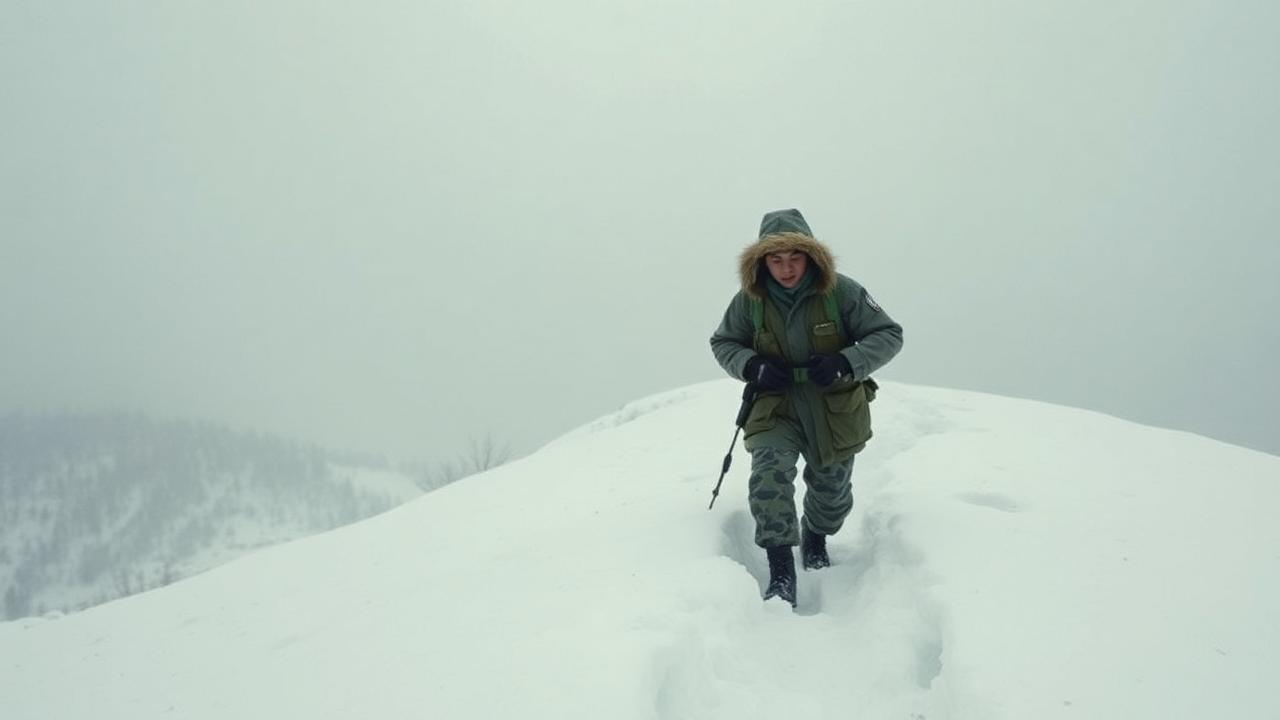
What Cold injury is
- Frostbite — superficial through full-thickness tissue freezing.
- Trench foot / immersion foot — prolonged wet-cold exposure.
- Chilblains (pernio) — recurrent inflammatory response to cold exposure.
- Residuals: peripheral neuropathy, cold hypersensitivity, Raynaud's-like phenomena, arthritis, nail dystrophy, hyperhidrosis.
Who was exposed
- Korean War combat veterans (Chosin Reservoir, winter campaigns).
- WWII veterans in the European theater (Bastogne, Hürtgen Forest).
- Aleutian campaign veterans (WWII).
- Modern cold-weather operators: Alaska, Norway, Korea winter rotations, mountain warfare.
Recognized conditions & VA framework
- Cold-injury residuals are rated under 38 CFR § 4.104 7122 — separate rating for each affected extremity.
- Secondary peripheral neuropathy (rated separately under the neurological codes).
- Secondary arthritis in cold-injured joints.
- is generally awarded when service records document the cold-injury event or the provides credible of cold exposure with current residuals.
Evidence to gather
- Service records or unit operations records documenting cold exposure (e.g., Korea winter 1950 – 1951).
- Treating-provider notes describing cold sensitivity, neuropathy, or chronic pain in affected extremities.
- Buddy statements describing the original cold exposure event.
- Photos of skin or nail changes, if relevant.
- Vascular and neurological testing to support secondary claims.
Claim path
- File under citing the original cold-injury event.
- Rate each affected extremity separately under 7122.
- Add secondary conditions (peripheral neuropathy, arthritis) under their own diagnostic codes.
Where these claims break down
- ×Filing one bilateral 'cold injury' claim instead of one per affected extremity.
- ×Forgetting secondary peripheral neuropathy and arthritis ratings.
- ×Not documenting the original cold-exposure event with a buddy statement if service records are silent.
Frequently Asked Questions
Useful Tools & Topics
Have questions about your specific case?
Tell us about your claim, rating increase, or VA decision for a free case evaluation — a decision letter is helpful but not required. If your matter fits our current scope, we'll invite you to schedule a consultation.
Disclaimer: This page is for educational purposes only and does not constitute legal advice. Oakridge Claims is a private business and is not affiliated with, endorsed by, or operated by the U.S. Department of Veterans Affairs. No guarantees of outcomes are made. Each claim is decided on its individual facts.
Related guides
Heat injury
All eras (notably Iraq, Afghanistan, Persian Gulf, training environments). Heat stroke and severe heat exhaustion can leave lasting residuals — heat intolerance, autonomic dysregulation, exertional rhabdomyolysis re…
Military pesticides
All eras (especially Vietnam and Gulf War). Service members are routinely exposed to DEET skin repellents, permethrin-treated uniforms, and organophosphate area sprays in malaria, sand…
Toxic embedded fragments
Combat injuries — Gulf War onward (with earlier-era applicability). Service members injured by IEDs, mortar, RPG, or small-arms fire frequently retain metal fragments — including depleted uranium, lead, tungs…
Military vaccination injuries
1998 – present (Anthrax Vaccine Immunization Program) and others. DoD vaccination programs — most notably the Anthrax Vaccine Immunization Program (AVIP, 1998 – present) and the smallpox vaccine program rei…