

Toxic Embedded Fragments
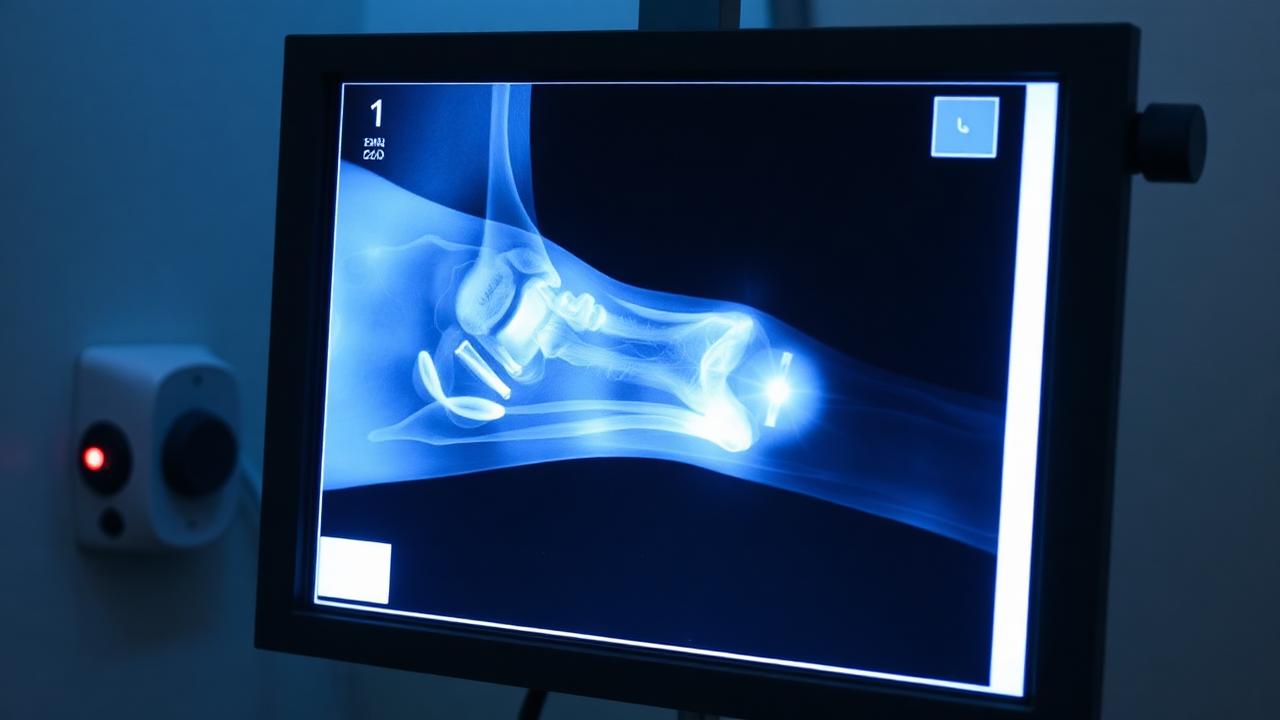
What Toxic embedded fragments is
- Retained metallic fragments from combat or training injuries.
- Common compositions: depleted uranium, lead, tungsten alloys, cobalt, nickel, copper.
- Slow leaching of metals into surrounding tissue and systemic circulation.
- TEFSC enrollment provides serial urine heavy-metal panels and clinical follow-up.
Who was exposed
- Service members wounded by friendly DU munitions (notable cases from the 1991 Gulf War).
- Veterans injured by IEDs, mortars, RPGs, or vehicle-borne explosives in /.
- Training accident victims with retained fragments.
Recognized conditions & VA framework
- There is no fragment-specific presumption — claims are .
- Conditions commonly claimed: chronic kidney disease, retained-fragment neuropathy, soft-tissue inflammation, secondary mental health (PTSD related to combat injury).
- Depleted uranium fragments: claims tied to renal and bone outcomes (see the Depleted Uranium guide).
Evidence to gather
- Combat injury medical records and operative notes.
- Imaging (X-ray, CT) documenting retained fragments.
- TEFSC bioassay results showing elevated heavy-metal urinary excretion.
- Treating-provider documentation of related symptoms.
Claim path
- File the underlying combat-injury (e.g., scar, residuals of fragment wound, neuropathy).
- File secondary claims for systemic effects (renal, neurologic) with TEFSC bioassays attached.
- Combat injury rules under 38 USC § 1154(b) relax the evidence standard for combat veterans.
Where these claims break down
- ×Filing only for the entry wound scar and missing the systemic effects of long-term fragment retention.
- ×Not enrolling in TEFSC for serial monitoring — the bioassays support both clinical care and the claim.
Frequently Asked Questions
Useful Tools & Topics
Have questions about your specific case?
Tell us about your claim, rating increase, or VA decision for a free case evaluation — a decision letter is helpful but not required. If your matter fits our current scope, we'll invite you to schedule a consultation.
Disclaimer: This page is for educational purposes only and does not constitute legal advice. Oakridge Claims is a private business and is not affiliated with, endorsed by, or operated by the U.S. Department of Veterans Affairs. No guarantees of outcomes are made. Each claim is decided on its individual facts.
Related guides
Mefloquine / Lariam
1989 – present (anti-malarial prophylaxis). Mefloquine (brand name Lariam) is an anti-malarial prophylaxis widely prescribed to deployed U.S. service members in Africa, Southeast Asia,…
Military pesticides
All eras (especially Vietnam and Gulf War). Service members are routinely exposed to DEET skin repellents, permethrin-treated uniforms, and organophosphate area sprays in malaria, sand…
Depleted Uranium Exposure
DU munitions, embedded fragments, and the VA Depleted Uranium Surveillance Program.
Kuwait oil-well fires
February – November 1991. Iraqi forces set fire to roughly 600 Kuwaiti oil wells during their February 1991 retreat. The fires burned until November 1991 and produced…