

Whole-Body & Hand-Arm Vibration Exposure
What Vibration exposure is
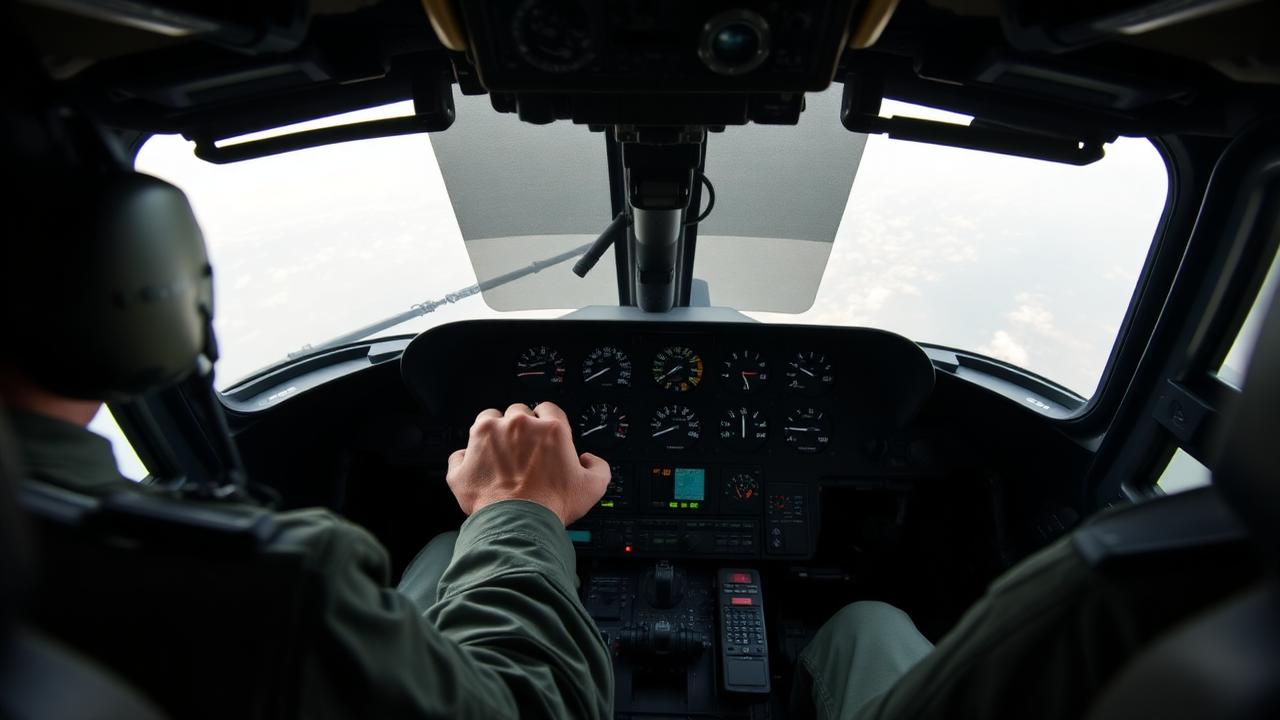
- Whole-body vibration (WBV): helicopter aircrew, armor crewmen, M113/Bradley/Stryker operators, fast boat crews.
- Hand-arm vibration (HAV): chainsaw operators, jackhammer operators, grinder use in maintenance.
- Recognized HAVS components: vibration-induced white finger (Raynaud's phenomenon), peripheral neuropathy, musculoskeletal effects.
Who was exposed
- Rotary-wing aircrews — pilots, crew chiefs, door gunners.
- Armor crewmen (M1, M2/M3 Bradley, M113, Stryker).
- Combat engineers and SeaBees with heavy tool use.
- Special Boat Team operators and Coast Guard fast-boat crews.
Recognized conditions & VA framework
- Lumbar degenerative disc disease — heavily documented in helicopter aircrew literature.
- Cervical degenerative disc disease (especially in heavy-helmet aircrews).
- Hand-arm vibration syndrome (vibration-induced Raynaud's).
- Peripheral neuropathy of the upper extremities.
- Knee and hip osteoarthritis in armor crewmen.
Evidence to gather
- Service records and flight/duty hours documenting vibration-exposed duty.
- Imaging (MRI, X-ray) of affected spinal segments or joints.
- Cold-stress testing or vascular studies for HAVS.
- opinion from an orthopedic or occupational medicine physician.
Claim path
- File as citing cumulative vibration exposure.
- Document the duty intensity — flight hours, crew chief time, armor duty months.
- Secondary radiculopathy or neuropathy claims can be added under their own diagnostic codes.
Where these claims break down
- ×Filing for back pain generically without naming the vibration-exposed duty.
- ×Forgetting bilateral upper-extremity neuropathy claims in HAVS cases.
Frequently Asked Questions
Useful Tools & Topics
Have questions about your specific case?
Tell us about your claim, rating increase, or VA decision for a free case evaluation — a decision letter is helpful but not required. If your matter fits our current scope, we'll invite you to schedule a consultation.
Disclaimer: This page is for educational purposes only and does not constitute legal advice. Oakridge Claims is a private business and is not affiliated with, endorsed by, or operated by the U.S. Department of Veterans Affairs. No guarantees of outcomes are made. Each claim is decided on its individual facts.
Related guides
CARC paint exposure
1985 – present (vehicle and equipment painting). Chemical Agent Resistant Coating (CARC) is the standard military paint applied to tanks, vehicles, aircraft, and equipment. CARC contains is…
PCB exposure
Pre-1980 (especially Navy and shore-based electrical systems). Polychlorinated biphenyls were widely used in military electrical transformers, capacitors, hydraulic systems, and shipboard cable insulatio…
Lead exposure
All eras. Military lead exposure happens at indoor and outdoor firing ranges (airborne lead from primer dust and bullet fragmentation), in old lead-ba…
Khamisiyah & chemical warfare agents
Khamisiyah: March 1991 · Edgewood/CHASE: 1955 – 1975. Three distinct warfare-agent exposure events have VA recognition. Khamisiyah (March 1991): U.S. forces demolished an Iraqi ammunition depot …