

Fort Ord Toxic Exposures (California)
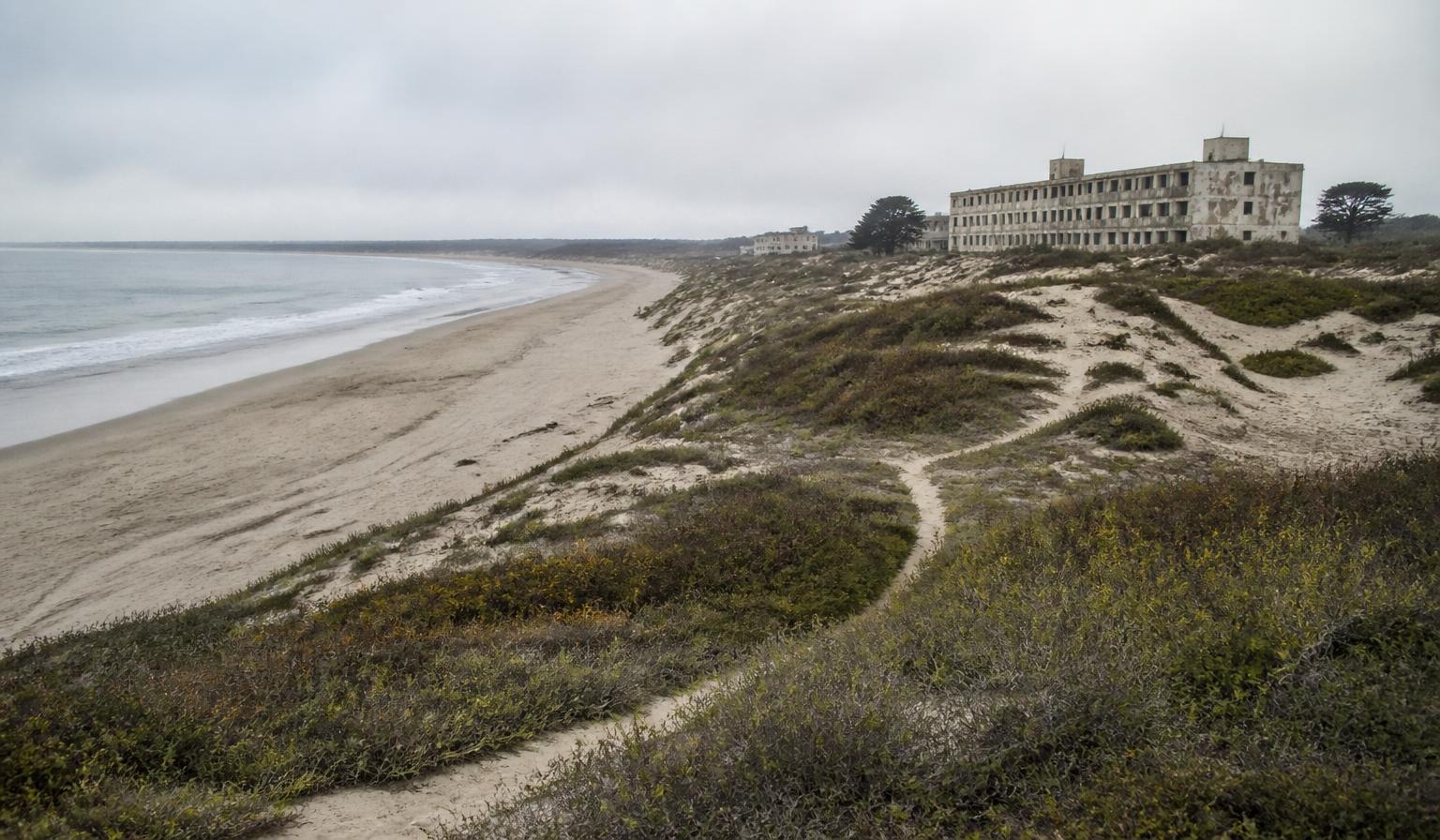
What Fort Ord, California is
- TCE, PCE, benzene, and carbon tetrachloride plumes in the base drinking-water aquifer documented from the 1980s onward.
- Fire Drill Area #2 — decades of fuel-burn firefighting training released fuel oil, solvents, and combustion products to soil and groundwater.
- Operable Unit 2 landfills — buried industrial and medical waste leaching into groundwater.
- Multi-range training area lead contamination and unexploded ordnance from small-arms and artillery firing.
- Asbestos and lead-paint exposures in barracks built in the WWII era.
Who was exposed
- Basic-training soldiers cycled through Fort Ord, including the 7th Infantry Division (Light) and predecessor units.
- Permanent-party soldiers, instructors, and DoD civilian motor-pool, firefighting, and maintenance workers.
- Family members residing in on-post housing during the contamination window.
- Reservists and personnel who trained at Fort Ord.
Recognized conditions & VA framework
- There is no Fort Ord-specific statutory presumptive list. Claims are filed as with an independent opinion.
- Conditions commonly claimed mirror the contaminants of concern: kidney cancer, liver cancer, non-Hodgkin's lymphoma, multiple myeloma, leukemia, bladder cancer, Parkinson's disease, and other conditions linked to TCE, PCE, and benzene exposure.
- TCE, PCE, and benzene exposures at Fort Ord overlap substantially with the contaminants — but Fort Ord is NOT covered by the Camp Lejeune Justice Act or the § 3.307(a)(7) presumption.
Evidence to gather
- DD-214 and service records showing Fort Ord assignment and dates.
- Unit records, orders, or housing records confirming time on post.
- Treating-provider records diagnosing the claimed condition.
- () linking the diagnosis to documented Fort Ord groundwater or soil contaminants.
- EPA Superfund Record of Decision and Army Corps cleanup documents — usable as background evidence of contamination.
Claim path
- File as a direct service-connection citing Fort Ord toxic exposures specifically.
- Attach service records showing assignment and a opinion from a treating or independent physician.
- If a kidney, liver, or hematologic cancer is involved, document the parallel to TCE/PCE/benzene literature — the contaminants are the same as even though the statutory presumption does not extend.
- If denied, consider or with a stronger opinion rather than re-arguing the same record.
Where these claims break down
- ×Filing under the Camp Lejeune Justice Act — it covers Lejeune and MCAS New River only, not Fort Ord, even though the chemicals overlap.
- ×Filing under the PACT Act — Fort Ord is not a covered PACT location.
- ×Submitting without a nexus opinion and assuming VA will infer the link from the Superfund designation alone.
- ×Forgetting to claim secondary conditions (e.g., depression secondary to chronic cancer treatment).
Frequently Asked Questions
Useful Tools & Topics
Have questions about your specific case?
Tell us about your claim, rating increase, or VA decision for a free case evaluation — a decision letter is helpful but not required. If your matter fits our current scope, we'll invite you to schedule a consultation.
Disclaimer: This page is for educational purposes only and does not constitute legal advice. Oakridge Claims is a private business and is not affiliated with, endorsed by, or operated by the U.S. Department of Veterans Affairs. No guarantees of outcomes are made. Each claim is decided on its individual facts.
Related guides
Fort McClellan, Alabama
1935 – 1999 (Chemical Corps School & WAC Center). Fort McClellan housed the U.S. Army Chemical Corps School, the Women's Army Corps Center, and Anniston Army Depot operations. Soldiers, trai…
Toxic embedded fragments
Combat injuries — Gulf War onward (with earlier-era applicability). Service members injured by IEDs, mortar, RPG, or small-arms fire frequently retain metal fragments — including depleted uranium, lead, tungs…
Military vaccination injuries
1998 – present (Anthrax Vaccine Immunization Program) and others. DoD vaccination programs — most notably the Anthrax Vaccine Immunization Program (AVIP, 1998 – present) and the smallpox vaccine program rei…
Heat injury
All eras (notably Iraq, Afghanistan, Persian Gulf, training environments). Heat stroke and severe heat exhaustion can leave lasting residuals — heat intolerance, autonomic dysregulation, exertional rhabdomyolysis re…