

Mishraq Sulfur-Plant Fire (Iraq 2003)
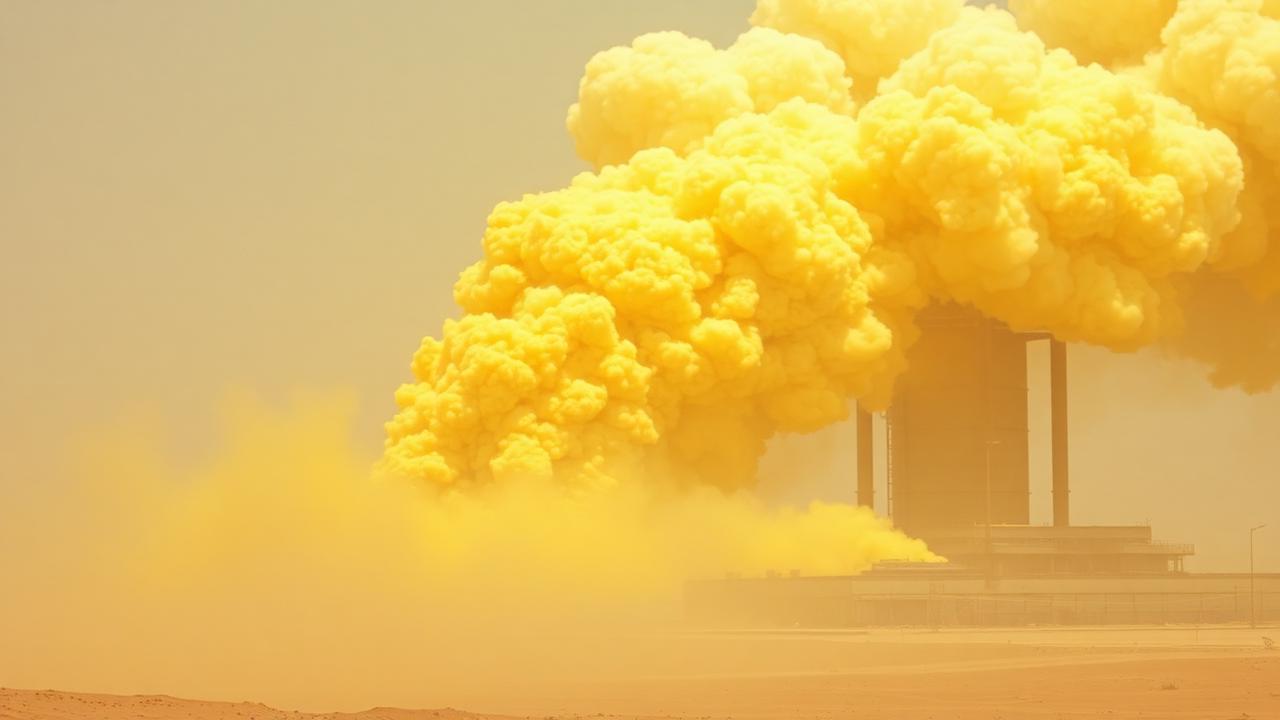
What Mishraq sulfur fire is
- Sulfur dioxide (SO2) — a severe respiratory irritant.
- Hydrogen sulfide (H2S).
- Sulfuric acid mist formed in the atmosphere.
- Fine particulate sulfur fallout across northern Iraq.
Who was exposed
- U.S. service members in northern Iraq (Mosul, Tikrit, Kirkuk) during summer 2003.
- Air crews flying through the SO2 plume.
- Units conducting fire suppression and base-camp setup downwind of the fire.
Recognized conditions & VA framework
- Constrictive bronchiolitis — heavily documented in Mishraq-exposed veterans.
- Reactive airway disease / occupational asthma.
- Chronic sinusitis and rhinitis.
- All § 1119 presumptive respiratory conditions.
Evidence to gather
- DD-214 placing the in northern Iraq in 2003.
- Unit records and OPORDs showing assignment in the affected area.
- Pulmonary function testing — spirometry and methacholine challenge.
- If clinically appropriate, lung biopsy is the gold standard for confirming constrictive bronchiolitis.
- opinion from a pulmonologist citing Mishraq exposure.
Claim path
- For listed conditions, file under § 3.320 — no required.
- For constrictive bronchiolitis (a histologic diagnosis), the presumption applies for qualifying veterans; consider biopsy if symptoms suggest small-airway disease but spirometry is near-normal.
Where these claims break down
- ×Relying on normal spirometry alone — constrictive bronchiolitis often shows normal FEV1/FVC ratios while still causing severe exercise intolerance.
- ×Not specifically naming the Mishraq fire on the claim form — this strengthens the airborne-hazards narrative.
Frequently Asked Questions
Useful Tools & Topics
Have questions about your specific case?
Tell us about your claim, rating increase, or VA decision for a free case evaluation — a decision letter is helpful but not required. If your matter fits our current scope, we'll invite you to schedule a consultation.
Disclaimer: This page is for educational purposes only and does not constitute legal advice. Oakridge Claims is a private business and is not affiliated with, endorsed by, or operated by the U.S. Department of Veterans Affairs. No guarantees of outcomes are made. Each claim is decided on its individual facts.
Related guides
Kuwait oil-well fires
February – November 1991. Iraqi forces set fire to roughly 600 Kuwaiti oil wells during their February 1991 retreat. The fires burned until November 1991 and produced…
Toxic embedded fragments
Combat injuries — Gulf War onward (with earlier-era applicability). Service members injured by IEDs, mortar, RPG, or small-arms fire frequently retain metal fragments — including depleted uranium, lead, tungs…
Heat injury
All eras (notably Iraq, Afghanistan, Persian Gulf, training environments). Heat stroke and severe heat exhaustion can leave lasting residuals — heat intolerance, autonomic dysregulation, exertional rhabdomyolysis re…
Thule, Greenland
January 21, 1968 – September 1968 (Project Crested Ice cleanup). On January 21, 1968 a U.S. B-52 carrying four thermonuclear weapons crashed onto the sea ice near Thule Air Base in northwest Greenland. The…