

Atsugi Naval Air Facility Incinerator (Japan)
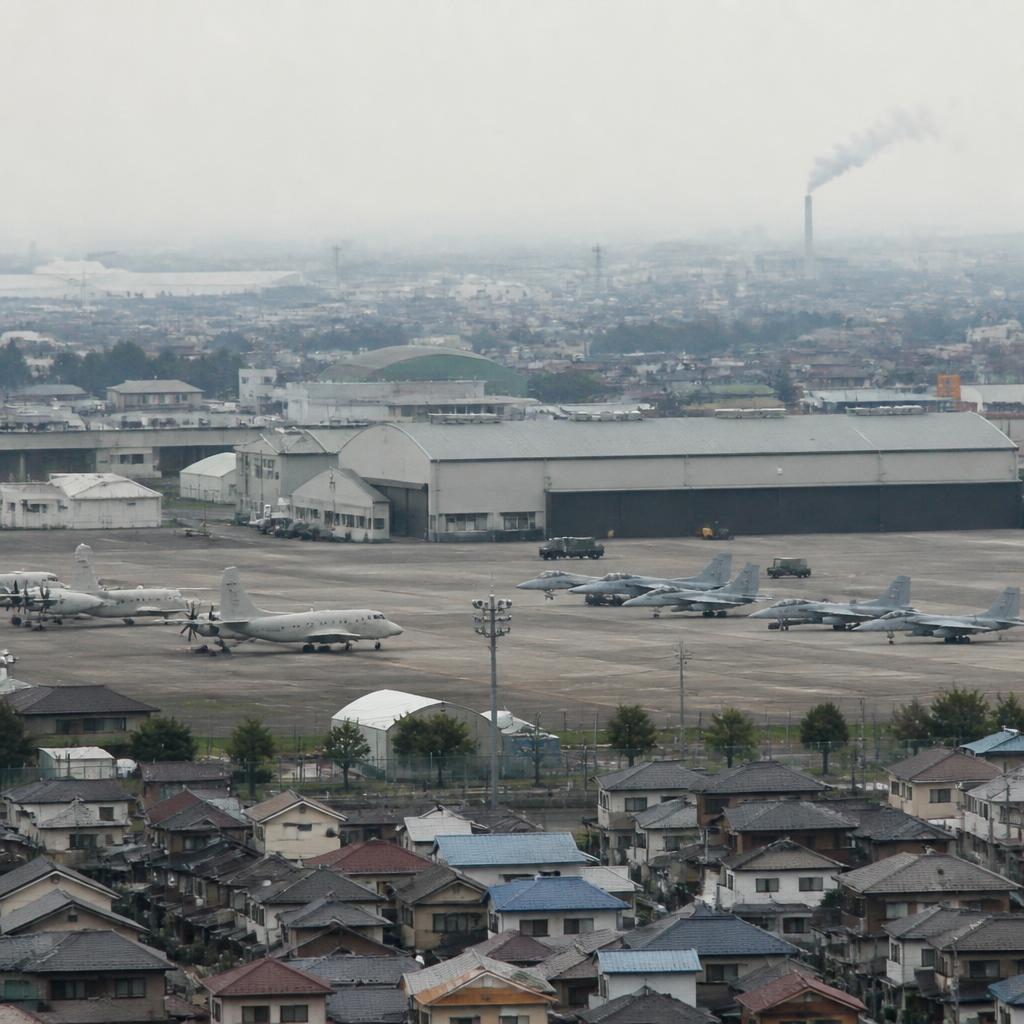
What NAF Atsugi incinerator, Japan is
- Dioxins, furans, PCBs, polycyclic aromatic hydrocarbons (PAHs), and particulate matter from continuous open-stack incineration of mixed waste.
- U.S. Navy-commissioned health risk assessments confirmed elevated exposure for residents of NAF Atsugi housing closest to the facility.
- Litigation by U.S. military families led to the eventual shutdown of the Shinkampo complex in 2001.
Who was exposed
- U.S. Navy and Marine Corps personnel assigned to NAF Atsugi during the operational window.
- Family members residing in NAF Atsugi housing during the same window.
- DoD civilians and contractors stationed at NAF Atsugi.
Recognized conditions & VA framework
- No statutory presumptive list exists for Atsugi as of this update.
- Conditions commonly claimed: respiratory disease, asthma, sinus disease, certain cancers (including soft-tissue sarcoma and non-Hodgkin's lymphoma associated with dioxin exposure), reproductive and developmental conditions, and chronic skin disease.
Evidence to gather
- Service or housing records placing the at NAF Atsugi during incinerator operations.
- Treating-provider records diagnosing the claimed condition.
- opinion linking the condition to Atsugi incinerator emissions, ideally citing the Navy risk assessments.
- Buddy and family statements describing odor, soot, and respiratory symptoms during the assignment.
Claim path
- File as a direct service-connection citing the Shinkampo incinerator exposure window.
- Attach orders and a opinion.
- If denied, consider or with the Navy risk assessment documents as new and relevant evidence.
Where these claims break down
- ×Filing under the PACT Act — Atsugi is not a PACT-listed location.
- ×Submitting only the diagnosis without an exposure-specific nexus opinion.
- ×Failing to document housing assignment near the facility.
Frequently Asked Questions
Useful Tools & Topics
Have questions about your specific case?
Tell us about your claim, rating increase, or VA decision for a free case evaluation — a decision letter is helpful but not required. If your matter fits our current scope, we'll invite you to schedule a consultation.
Disclaimer: This page is for educational purposes only and does not constitute legal advice. Oakridge Claims is a private business and is not affiliated with, endorsed by, or operated by the U.S. Department of Veterans Affairs. No guarantees of outcomes are made. Each claim is decided on its individual facts.
Related guides
Kuwait oil-well fires
February – November 1991. Iraqi forces set fire to roughly 600 Kuwaiti oil wells during their February 1991 retreat. The fires burned until November 1991 and produced…
Mishraq sulfur fire
June 2003. In June 2003, the Mishraq State Sulfur Mine near Mosul, Iraq burned for nearly a month — the largest manmade release of sulfur dioxide on re…
Industrial solvents
All eras (especially aviation maintenance, motor pools, paint shops). Military maintenance operations rely on industrial solvents — trichloroethylene (TCE), tetrachloroethylene (PCE), benzene, toluene, xylene, …
Fort Ord, California
1917 – 1994 (closed under BRAC; EPA Superfund site since 1990). Fort Ord on California's Monterey Bay was a major Army training installation that operated for most of the 20th century. EPA designated the …